緑濃く燃ゆる大地。
龍の気配息づくこの国に生きる私たちの心を、豊かに彩ってくれる日本文化の数々。
私たちはもっともっと我らが文化を誇り、愉しむべきでしょう。
あなたはどんな日本文化がお好きですか?
今回のテーマは「和刺繍」です。
さぁ、ひとまず日常の煩わしさは忘れて、共に日本の美と祈りの世界に没入しましょう🌸
第四話 和刺繍
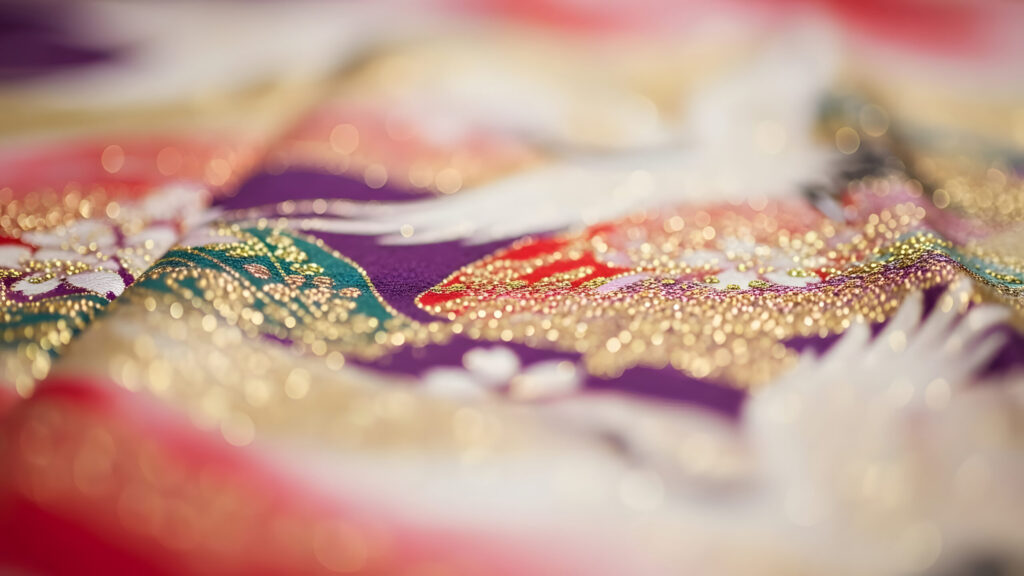
日本の美しい手仕事の中でも、特に雅なものの代表と言えるものに和刺繍があります。
色々な糸が使われ、刺子のように、限られた色糸で明快な模様を生み出す刺繍もまた味わいがありますが、 京繍、加賀繍、江戸繍に代表されるような反物に刺す糸には絹糸が使われる事が多いようです。
絹糸の光沢が反物に生命を宿す――
それは刺し手の魂が、自ずと糸を通して刺繍に込められるからではないでしょうか。
どんなジャンルでもそうですが、それが手仕事の最大の魅力です。
場合によっては同じ柄や色合いでも、刺し手によって仕上がりの雰囲気が大きく変わることもあるでしょう。 人の心が千差万別なように、同じ絹糸に宿る魂も千差万別――
あなたが一枚の布に美しい絵を刺すならば、あなたはそこに、何を宿しますか?
三大和刺繍にみる美意識
和刺繍の歴史は古く、奈良時代にはすでに仏教文化とともに刺繍技術が伝えられていました。仏像の装飾や仏具など、金襴に代表される荘厳な様式美に用いられた刺繍は、やがて貴族の装束や調度品へと広がり、日本独自の発展を遂げていきます。
平安の世には、衣に施された刺繍が身分や教養を表すものでもありました。
花や鳥、流れる水の波紋や雲といった自然のモチーフは単なる装飾にとどまらず、世界観や、或いは祈りの表れでもあったのでしょう。
和刺繍には、地域ごとに受け継がれてきた特色があります。
中でも代表的なものとして知られるのが、京繍、加賀繍、江戸繍です。
京繍は、宮廷文化の影響を色濃く受け継いだ優雅な刺繍です。
金糸や絹糸をふんだんに用い、格調の高さを感じさせる意匠が多く見られます。
雅やかな色彩と、どこか夢を見るような柔らかさは、王朝文化の余韻を今に伝えています。
一方、加賀繍は写実的な表現に特徴があります。
花びらの陰影や葉のわずかな揺らぎまで丁寧に表され、まるで布の上に自然が息づいているかのよう。
繊細な色の重なりが、静かで落ち着いた気品を生み出しています。
江戸繍は、洗練された粋な美しさが魅力です。
華やかでありながら過度に装飾的になりすぎず、端正な佇まいを感じさせます。
町人文化の中で磨かれた美意識が、軽やかさと品格を同時に成立させているようにも感じられます。
同じ絹糸を用いていても、土地の空気や人の感性によって生まれる表情は異なるもの。
それぞれの刺繍には、その土地に流れてきた時間がそっと織り込まれているのかもしれません。
刺繍は布の上に現れる小さな世界でありながら、その背後には長い時間の積み重ねが静かに息づいています。
技法に宿る静かな光
こうした静かな表情を生み出しているのが、和刺繍ならではの技法です。
例えば相良繍は糸を結びながら粒を作っていく技法で、小さな点が連なることで柔らかな立体感が生まれます。一つ一つの粒は控えめでありながら、全体として静かな存在感を宿し、作品に格を与えてくれるものです。
駒繍では、金糸を布の上に渡し、細い糸で留めていきます。
糸を布の中に通さず、表面に沿わせることで、独特のやわらかな輝きが現れます。
光を刺すというより、光をそっと置くような感覚にも思えます。
平繍は、糸の流れを整えながら面を埋めていく技法で、絹糸の光沢がもっとも美しく現れると言われています。 針を入れる角度によって色の見え方が変わり、布の上に繊細な揺らぎが生まれます。
文様の下に糸を重ねて厚みを持たせる肉入れという工程では、わずかな起伏が生まれ、光と影が静かに現れます。
このようにして生まれる表情は、けして強く主張するものではありません。けれど、ふとした瞬間に目にとまる柔らかな光の重なりは、どこか心に残るものがあります。
こうした技法の積み重ねによって生まれる光は、けして華美ではありません。けれど静かに、長く心に残る美しさをたたえています。
一枚の布の上に様々なニュアンスを重ねることで、奥深い世界へと作り上げていく。少しずつ表情の違う美しさが最後にまとめ上げられた時に立ち現れる、重厚な存在感。
和刺繍独自の様々な技法は、立体的な造形美を創り上げる上でなくてはならない知恵だと言えるでしょう。
そよそよとした美の感覚
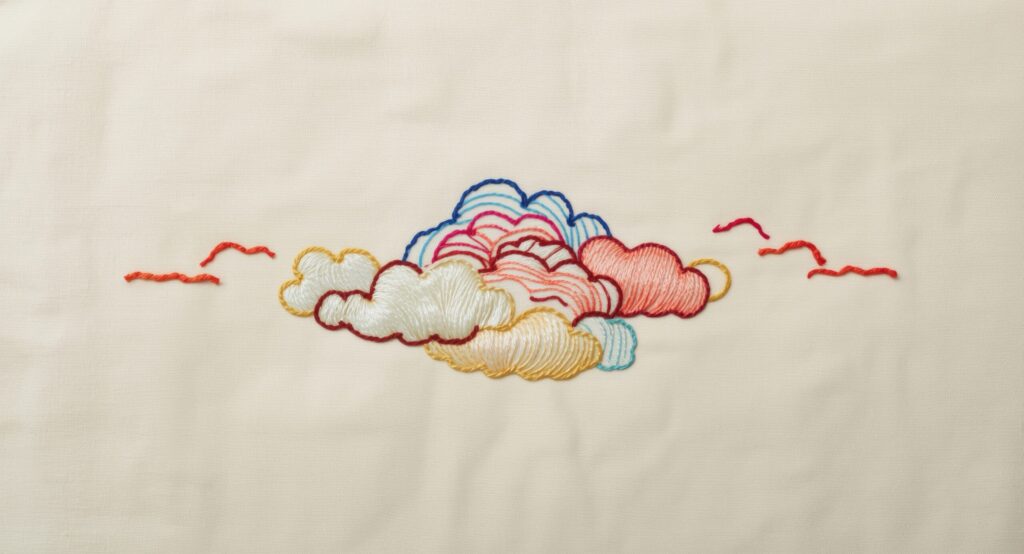
西洋刺繍が布地の上に色彩を置くような感覚で施されるのに対し、和刺繍では糸そのものの光を活かし、角度によって表情が変わるように仕上げられます。
糸の重なりや方向、針を入れるわずかな角度の違いによって、同じ図案であっても光の受け方が変わり、布の上に静かな揺らぎが生まれる。
それは絵画のように輪郭を強く主張するものではなく、どこか余白を残したまま、見る人の感覚にそっと委ねられているようにも思えます。
形の背後に、言葉にされない思いや願いを重ねることこそが美だとする。そしてあくまでも主役は布や装い、或いは着手であるという、日本文化に通底する控えめな、けれど芯の強い美の精神が感じられます。
例えば自然のモチーフは、他のアジア諸国においても美しい刺繍の代表的な題材ですが、やはりお国柄とでも言うのか、土地の風土やそこに暮らす人々の感性によって大きく表情を異にします。
和刺繍は、やはり静かな感性が生きている。これは誰もが感じる所ではないでしょうか。
機械刺繍のようにけして無音ではないのだけれど、はきはきした感じでもない。 オノマトペで表すとしたら、そよそよ・・・なんていう風に私には感じられます。
たとえ芍薬や牡丹のような大輪の花々が一面に刺してあったとしても、トーンは似ていて、やはりそよそよ・・・。
もちろんこれは単に私個人の感覚なのですが、もしかしたら日本の伝統文化の、或いは日本人の基調なのかもしれないなぁ・・・などと思ったりしますが、どうでしょう?
暮らしの中の和刺繍
和刺繍は、能装束や舞台衣装の世界で、物語を支える重要な要素として用いられています。舞の動きに合わせて光がわずかに揺らぐ様子は、言葉で語られる物語とはまた別のかたちで、見る人の心に余韻を残します。装束は主役に匹敵するほどの名脇役であり、けして欠かすことのできない大きな存在です。
また和刺繍は、鑑賞のための工芸であると同時に、暮らしの中で大切に用いられてきました。
半襟や帯締め、草履や小さな袋物などにも丁寧な刺繍があしらわれ、手に取るたびに目に入るさりげない文様は、使う人の心に静かな喜びをもたらしてきました。
手仕事がくれるそうした魅力は少なからず暮らしの質を底上げし、それに伴って気づけば人生そのものが上向きに変わっていく・・・。
そんなきっかけをくれるのが、手仕事という美しい領域です。
その他にも打掛や帯、袈裟など、和刺繍は様々な場面で受け継がれてきました。
布という身近な素材を通して表される美は、人の営みのすぐそばにありながら、どこか静かに心を整えてくれるものでもあります。
結びにかえて
一針一針に込められる時間は、けして短いものではありません。
だからこそ完成した刺繍には、単なる装飾としての価値を超えた、静かな重みのようなものが宿ります。
和刺繍が長い年月を経てもなお人の心を惹きつけるのは、技巧の巧みさによるものばかりではなく、その奥に流れている穏やかな時間の気配にあるのかもしれません。
そよそよと風が通り抜けるような静かな美しさ。
それはまるで、日々の暮らしの中でふと感じる小さな祈りのようで、日本人がけして手放してはならない稀有な美学です。
美しさに宿る祈り――つゆらのまなざし
―― 文:安東瑠璃
つゆらストアのご案内
つゆらの世界観を小さな形にしました。つゆらストアにてご覧いただけます。
オリジナル画像制作も承りますので、もしよろしければどうぞ🍀
The Beauty and Prayer of Japan
Episode 4 | Japanese Embroidery
Among Japan’s many beautiful forms of handcraft, Japanese embroidery stands as one of the most elegant.
A wide variety of threads may be used. Embroidery such as sashiko, which creates clear and striking patterns from a limited range of colored threads, possesses a beauty of its own. Yet silk thread is often used for embroidery worked upon kimono fabric, as seen in the traditions of Kyo embroidery, Kaga embroidery, and Edo embroidery.
The luster of silk thread breathes life into the fabric—
Perhaps this is because the soul of the embroiderer naturally passes through the thread and enters the work itself.
The same may be said of every form of craftsmanship, and it is surely one of the greatest charms of work created by hand.
Even when the pattern and colors are the same, the atmosphere of the finished work may differ greatly depending upon the embroiderer. Just as every human heart is unique, so too is the spirit that comes to dwell within the same silk thread—
If you were to embroider a beautiful picture upon a piece of fabric, what would you allow to dwell within it?
The aesthetic sensibilities of Japan’s three great embroidery traditions
The history of Japanese embroidery stretches far into the past. By the Nara period, embroidery techniques had already arrived in Japan together with Buddhist culture. Used to create the solemn and magnificent beauty seen in brocade, Buddhist images, and ritual objects, embroidery eventually spread to the garments and furnishings of the aristocracy, developing into forms unique to Japan.
During the Heian period, embroidery upon clothing also served as an expression of rank and refinement.
Motifs drawn from nature—flowers, birds, ripples upon flowing water, and clouds—were surely more than mere decoration. They may also have expressed a vision of the world, or perhaps a form of prayer.
Japanese embroidery possesses distinctive characteristics passed down within different regions.
Among the best known are Kyo embroidery, Kaga embroidery, and Edo embroidery.
Kyo embroidery is an elegant tradition deeply shaped by the influence of court culture.
Gold and silk threads are used generously, and many of its designs convey a sense of dignity and refinement.
Its graceful colors and dreamlike softness preserve the lingering atmosphere of Japan’s ancient imperial culture.
Kaga embroidery, by contrast, is distinguished by its realistic expression.
Even the shadows upon flower petals and the faintest movement of leaves are rendered with care, as though nature itself were breathing upon the fabric.
Delicate layers of color create a quiet and composed elegance.
Edo embroidery is admired for its sophisticated and stylish beauty.
Though splendid, it never becomes excessively ornate, retaining an impression of graceful restraint.
The aesthetic sensibility refined within the culture of the townspeople seems to unite lightness and dignity in equal measure.
Even when the same silk thread is used, the expression that emerges differs according to the atmosphere of the land and the sensibilities of its people.
Perhaps each embroidery tradition quietly weaves into itself the passage of time within the place where it was born.
Embroidery may be a small world appearing upon a piece of fabric, yet behind it, the accumulation of many years continues to breathe in silence.
The quiet light dwelling within technique
These quiet expressions are created through techniques unique to Japanese embroidery.
Sagara embroidery, for example, is a technique in which thread is knotted to form tiny raised grains. As these small points gather together, they create a gentle sense of dimension. Each individual knot is modest, yet together they possess a quiet presence that lends dignity to the work.
In koma embroidery, gold thread is laid across the surface of the fabric and secured with a finer thread.
Because the gold thread rests upon the surface rather than passing through the cloth, it produces a distinctive, gentle radiance.
It feels less like embroidering light than softly placing light upon the fabric.
Hira embroidery is a technique in which areas are filled while carefully arranging the direction of the threads, and it is said to reveal the luster of silk at its most beautiful. The appearance of the color changes according to the angle at which the needle enters the fabric, creating a delicate shimmer across its surface.
In a process known as niku-ire, layers of thread are placed beneath a motif to give it depth. The resulting contours create subtle variations in height, allowing light and shadow to emerge quietly.
The expressions created in this way never assert themselves too strongly. Yet the soft layers of light that suddenly catch the eye leave a lasting impression upon the heart.
The radiance born from the accumulation of these techniques is never ostentatious. Instead, it possesses a quiet beauty that remains within the heart for a very long time.
By layering many subtle nuances upon a single piece of fabric, the embroiderer gradually creates a world of profound depth. When these differing expressions of beauty are finally brought together, a rich and commanding presence emerges.
The many techniques unique to Japanese embroidery may be regarded as indispensable wisdom in the creation of its three-dimensional sculptural beauty.
A softly stirring sense of beauty
While Western embroidery often feels as though color is being placed upon the fabric, Japanese embroidery makes use of the light inherent in the thread itself, allowing its expression to change according to the angle from which it is viewed.
Through the layering and direction of the threads, and the slightest variations in the angle of the needle, even the same design receives light differently, creating a quiet shimmer across the fabric.
Rather than asserting its outlines as strongly as a painting might, it seems to preserve a certain openness, gently entrusting its meaning to the sensibilities of the viewer.
Beauty is found in layering unspoken thoughts and wishes behind visible forms. And yet the true focus remains the fabric, the attire, or the person who wears it. Here one can feel the modest yet deeply resilient spirit of beauty that runs throughout Japanese culture.
Motifs drawn from nature, for example, are also among the most beloved subjects of beautiful embroidery in other Asian countries. Yet perhaps because of what we might call national character, their expression differs greatly according to the climate of the land and the sensibilities of the people who live there.
Japanese embroidery is undeniably alive with a quiet sensibility. Surely this is something almost anyone can feel.
It is never entirely silent, as machine embroidery may seem to be, yet neither does it speak in a crisp or emphatic voice. If I were to express it through onomatopoeia, it would feel to me like soyosoyo—the soft stirring of a gentle breeze・・・.
Even when great blossoms such as peonies cover the entire surface, the tone remains much the same: still soyosoyo, softly stirring・・・.
Of course, this is only my personal impression. Yet I sometimes wonder whether it may also be the underlying tone of Japanese traditional culture—or perhaps even of the Japanese people themselves・・・. What do you think?
Japanese embroidery in everyday life
In the world of Noh costumes and theatrical dress, Japanese embroidery serves as an essential element supporting the story. The way its light trembles subtly with the movements of the dance leaves a lingering impression upon the viewer’s heart, expressing the narrative in a form quite different from words. The costume is a magnificent supporting presence, almost equal to the leading performer, and can never be dispensed with.
Japanese embroidery has also been treasured not only as a craft to be admired, but as something used and cherished in daily life.
Careful embroidery has adorned haneri collars, obijime cords, zori sandals, and small fabric accessories. The understated patterns that come into view each time these objects are held have long brought quiet joy to those who use them.
The beauty offered by handcraft can meaningfully enrich the quality of everyday life, and before we realize it, life itself may begin to turn gently upward・・・.
This is the kind of beginning that the beautiful realm of handcraft can give us.
Japanese embroidery has also been passed down through uchikake wedding robes, obi sashes, Buddhist vestments, and many other forms.
Expressed through fabric, one of the materials closest to everyday life, its beauty remains beside human activity while quietly helping to bring the heart into order.
In place of a conclusion
The time entrusted to each and every stitch is never brief.
For that very reason, completed embroidery comes to possess a quiet gravity that reaches beyond its value as mere decoration.
Perhaps Japanese embroidery continues to captivate the human heart even after the passage of many years not only because of the mastery of its techniques, but also because of the gentle sense of time flowing quietly beneath them.
A quiet beauty, like a soft breeze passing through・・・.
It is like a small prayer suddenly felt amid everyday life—a rare aesthetic that the Japanese people must never allow themselves to lose.
The Prayer That Dwells in Beauty ―Tsuyura’s Perspective
― Written by Ruri Ando
Tsuyura Store
A small expression of the Tsuyura world, shaped into tangible form.