
緑濃く燃ゆる大地。
龍の気配息づくこの国に生きる私たちの心を、豊かに彩ってくれる日本文化の数々。
私たちはもっともっと我らが文化を誇り、愉しむべきでしょう。
あなたはどんな日本文化がお好きですか?
今回のテーマは「香道」です。
さぁ、ひとまず日常の煩わしさは忘れて、共に日本の美と祈りの世界に没入しましょう🌸
第五話 香道
香りを聞く
日本の文化には、目に見えないものに心を寄せる繊細な感覚が息づいています。風の気配や季節の移ろい、人の想いの揺らぎ・・・。それらは形を持たないものですが、人それぞれが感じ取ることのできる尊いものです。
香道は、その延長線上にある芸道の一つ。
香りという捉えどころのない存在に向き合い、ただ、静かに味わう。その体験は単なる嗅覚にとどまらず、内面の感覚を静かにひらいていきます。
香道とは、そのような「不可視の美」と向き合う営みであり、日本人が長い歴史の中で培ってきた、繊細な感性の結晶と言えるでしょう。
香道では、香りを「聞く」と表現しますが、「聞く」という言葉には、古くから「心に留める」「注意深く味わう」というニュアンスがあります。香道における「聞香(もんこう)」という言葉は、そのひと言で香道の醍醐味を言い表していると言えるのではないでしょうか。
香りを物理的に分析するのではなく、その香りが伝える物語や情景を感じ取ることを大切にし、心で聞き取るという瞑想にも近しいその姿勢が、精神性の高い芸道としての香道を象徴しています。
香がたどった歴史と「道」への昇華
香の文化は、仏教とともに日本へ伝わりました。仏前で焚かれる香は場を清め、心を整え、祈りを届けるためのものでした。煙とともに立ちのぼるその香りは、目に見えない世界とこの世をつなぐものとして考えられていたのです。
やがて平安時代になると、香は宮廷文化の中で独自の発展を遂げます。貴族たちは香を調合し、その香りに名を与え、個性や教養を表現しました。衣に焚き染めた甘い香り、文に添えられたほのかで知的な香りは、言葉を超えた想いの伝達手段でもあったのです。
室町時代に入ると、香は「香道」として体系化されてゆきます。聞香は単なる遊びではなく、精神を磨く修養として位置づけられました。
茶道や華道と同様に、外面的な技術と内面的な在り方が一体となった「道」として、現代に受け継がれています。
静寂の所作
香道の席には、驚くほどの静けさがあります。
道具は簡素でありながら洗練され、すべてが過不足なく整えられています。香炉の灰や炭の配置までもが一つの美として成立し、それは例えるなら禅寺の枯山水のような気配を醸し、言わずもがな茶道に通じる気高さがあります。
香木は直接燃やされるのではなく、穏やかな熱によってじわりと温められ、そこから立ち上がる香りは煙ではなく、ほとんど気配に近い、気息とも呼べるものです。
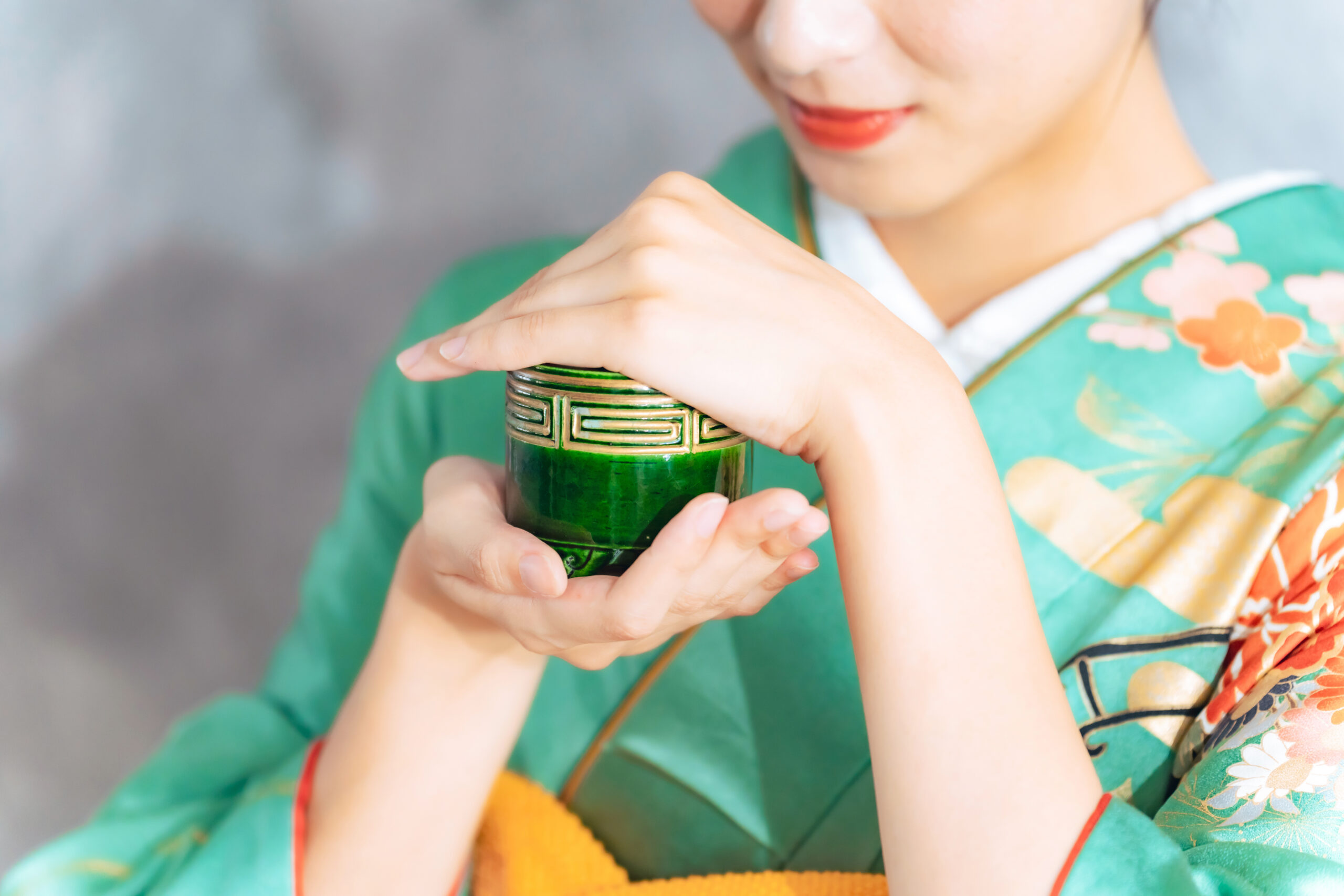
席に集った人々は順に香炉を手に取って手のひらに乗せ、もう片方の手で軽く覆うようにして香りを吸い込み、味わいます。
この無駄のない所作のひとつひとつがゆっくりと、しかし、けしておろそかにされることなく行われるのです。
そしてその香りに名前をつけるよう求められるのですが、初心者にとっては冷や汗を掻く場面かもしれません。 けれど、恐らく回を重ねる内に、文学的な、或いは哲学的な、また時には宗教的な名前を付ける余裕と幅ができて来るのだろうと想像します。
源氏香と呼ばれる組香は、5種類の香りを聞き分け、その同異を『源氏物語』の五十二帖の名をつけた図形(源氏香図)で表す香道の代表的な遊びです。
この世界に類を見ない知的で優雅な遊びは、後水尾天皇により考案されたとされる日本固有のものです。
そこでは正解を競うことよりも、香りと向き合う時間そのものが大切にされるのですが、香りの記憶と物語の気配が重なり合う時、正解を聞き分けること以上の感動があるのではないでしょうか。

自らの内に在る静寂を知る
先にも述べた通り、香道における聞香は、単に嗅覚で香りを捉えるだけの行為ではありません。
姿勢を整えて呼吸を静め、意識を一点に集めることで、はじめて香は立ちあがり、深く味わうことができます。
それは、五感のうちの一つを使うというよりも、むしろ全身で受け取る感覚に近いものです。香炉を手に取る瞬間、指先の温度や重み、場の空気までもが一体となり、その中にとけ出した香りを見出し、聞き、味わい、そして知る。
つまり香道とは、香りを聞くことを通して、自らの感覚を澄ませていく行為でもあるのです。
雑念を払い、すべての感覚を一度手放し、素の心と体でただ感じることへと身を委ねる。
その時感覚は自ずとひらかれ、自分自身の奥にある月のような静寂と、そっと触れ合うことができるかもしれません。
六国五味
香りには、その違いを聞き分けるためのヒントとなる言葉があります。
それが「六国五味(りっこくごみ)」です。
六国とは、香木の生まれや名に由来する六つの系譜──
伽羅(きゃら)・羅国(らこく)・真那賀(まなか)・真南蛮(まなばん)・寸聞多羅(すもたら)・佐曾羅(さそら)・・・
それぞれの言葉は単なる産地の名を超えて、香りの気配や品格までも宿しているように感じられます。
そして五味とは、その香りを味わう時に立ちあらわれる感覚を、辛・甘・酸・鹹(かん:塩辛い味)・苦の五つになぞらえたもの。
一つの香りの中に幾つもの表情が自然と重なり合い、その重層する味わいが聞く者の深層をゆっくりと落ちてゆく時、その香りの個性を知る拠りどころとして、六国五味は今もなお大切に受け継がれている指標です。
中でも「伽羅」は、香道において最も尊ばれる存在とされています。限られた土地でしか入手できないその貴重な香りは五味のすべてを内に秘め、古くはそれを、位ある人の佇まいになぞらえたと言います。
香りは語らずとも、長き時間の中で培われた何かが、静かに伝わってくる・・・
そんな気配を、伽羅のみならず、香木はたしかに宿しています。
現代における位置づけ
現代では、香りはよい印象を与えるものとして、また臭いを打ち消す為に用いられることの多いものです。しかし香道における香りは、さながら「かほり」と表現したくなるような、微かな気配ほどの香り・・・。
だからこそ、そのつつましやかな香りに向き合う時間は特別な意味を持ちます。
何かを加えるのではなく、余計なものを削ぎ落とすことで現れる豊かさ。
その感覚は、忙しさの中で見失いがちな、けれどけして失いたくない稀有な感性そのものです。
香りは何も語りません。そしてすぐに雲散霧消してしまう儚きもの・・・。
けれど、そのささやかでありながら奥深い香りの余韻の中で、私たちはほぼ間違いなく、自分の内側と出会うのです。
その時、あなたはそこに何を聞くでしょう。
それは遠い時間を隔てた香りかもしれません。或いは誰かへの想いかもしれません。
けれど、いずれにせよ、意味や正解を求め続ける現代人にとって、香道が心に潤いを与えてくれる事に間違いはないでしょう。
ただひとくゆりの香りに感性を注ぎ、心を静めてその時空丸ごと香を聞く・・・。
その尊い時間はきっと、何よりの癒しになることでしょう。
美しさに宿る祈り――つゆらのまなざし
―― 文:安東瑠璃
つゆらストアのご案内
つゆらの世界観を小さな形にしました。つゆらストアにてご覧いただけます。
オリジナル画像制作も承りますので、もしよろしければどうぞ🍀
The Beauty and Prayer of Japan
Episode 5 | Japanese Kodo
Listening to fragrance
Japanese culture is alive with a delicate sensitivity toward things that cannot be seen. The presence of the wind, the changing of the seasons, the quiet fluctuations of the human heart… Though they possess no visible form, they are precious realities that each of us can perceive in our own way.
Kodo is one of the traditional arts that grows from this very sensibility.
It invites us to face something as elusive as fragrance and simply experience it in stillness. The experience extends far beyond the sense of smell, quietly opening the inner landscape of the heart.
Kodo is, in this sense, an art devoted to the beauty of the unseen—a crystallization of the refined sensibility cultivated by the Japanese people over many centuries.
In Kodo, one does not “smell” fragrance but rather “listen” to it. Since ancient times, the Japanese word for listening has also carried the meanings of “holding something within the heart” and “receiving it with attentive awareness.” The term monko—”listening to incense”—perhaps expresses the very essence of Kodo in a single phrase.
Rather than analyzing fragrance as a physical phenomenon, Kodo treasures the stories and landscapes that each scent evokes. This attitude—listening with the heart, almost as if in meditation—beautifully symbolizes Kodo as a spiritual path.
The journey of incense and its transformation into a Way
The culture of incense arrived in Japan together with Buddhism. Incense burned before the Buddha purified the space, calmed the heart, and carried prayers heavenward. The fragrance rising with the smoke was believed to connect the invisible world with our own.
By the Heian period, incense had developed into a unique form of courtly culture. Aristocrats blended fragrances, bestowed names upon them, and expressed their individuality and refinement through scent. The sweet fragrance infused into robes and the subtle, intellectual fragrance accompanying a letter became a language of feeling beyond words.
During the Muromachi period, incense was systematized into what became known as Kodo, the Way of Incense. Monko was no longer regarded as mere amusement, but as a discipline for cultivating the spirit.
Like the Way of Tea and the Way of Flowers, it has been handed down to the present day as a true “Way,” where outward technique and inner character become one.
The gestures of silence
A Kodo gathering is filled with astonishing stillness.
The utensils are simple, yet exquisitely refined, and everything is arranged with perfect restraint. Even the placement of the ash and charcoal within the incense burner forms a beauty of its own, evoking the quiet presence of a Zen rock garden and possessing the same quiet nobility found in the Way of Tea.
The fragrant wood is never burned directly. Instead, it is gently warmed by soft heat, and the fragrance that rises is not smoke, but something far more subtle—a quiet presence, almost like a breath.
Those gathered take the incense burner in turn, resting it upon the palm of one hand while gently covering it with the other, drawing in the fragrance and quietly savoring it.
Each of these unhurried movements is carried out with care, never hurried and never neglected.
Participants are then invited to give a name to the fragrance they have experienced—a moment that may well leave beginners breaking into a cold sweat. Yet with time, one imagines that they gradually acquire the freedom to choose names that are literary, philosophical, or even spiritual in nature.
One of the most celebrated forms of kumiko is known as Genjiko. Participants distinguish among five different fragrances and record their similarities and differences using symbolic patterns called Genjiko-zu, each corresponding to one of the fifty-two chapters of The Tale of Genji.
This uniquely Japanese pastime—at once intellectual and deeply elegant—is said to have been devised by Emperor Go-Mizunoo.
Here, discovering the “correct” answer is never the true purpose. What matters is the quiet time spent listening to the fragrance itself. And when the memory of a scent intertwines with the atmosphere of a story, perhaps the experience moves us even more deeply than simply identifying the correct fragrance.
Discovering the stillness within
As mentioned earlier, monko in Kodo is not simply the act of perceiving fragrance through the sense of smell.
Only by straightening one’s posture, calming one’s breath, and gathering one’s awareness into a single point does the fragrance truly arise, revealing itself in its full depth.
It is less an act of using one of the five senses than of receiving the experience with one’s whole being. The moment one lifts the incense burner into one’s hands, the warmth at the fingertips, its gentle weight, and even the atmosphere of the room become one. Within that harmony, the fragrance quietly emerges—to be perceived, listened to, savored, and finally understood.
In other words, Kodo is also a practice of refining one’s own senses through listening to fragrance.
By letting go of distracting thoughts, releasing every sensation for a moment, and surrendering oneself to simply feeling with an unguarded heart and body.
Perhaps then, one’s awareness naturally opens, allowing a gentle encounter with the moonlike stillness that quietly resides deep within oneself.
The six countries and five flavors
There are traditional terms that serve as guides for discerning the subtle differences between fragrances.
They are known as the “Six Countries and Five Flavors.”
The Six Countries refer to six traditional classifications of fragrant woods, based on their origin and character—
Kyara, Rakoku, Manaka, Manaban, Sumotara, and Sasora…
Each of these names seems to embody not merely a place of origin, but the very atmosphere and dignity of the fragrance itself.
The Five Flavors describe the impressions that naturally arise when experiencing fragrance, likening them to five tastes: pungent, sweet, sour, salty, and bitter.
When the many facets of a single fragrance gradually unfold and their layered character quietly sinks into the depths of the listener’s heart, the Six Countries and Five Flavors continue to serve as an enduring guide for understanding the unique personality of fragrant wood.
Among them, Kyara is regarded as the most treasured of all fragrant woods in Kodo. Found only in limited regions, its precious fragrance is said to contain all five flavors within itself. In ancient times, it was even compared to the dignified presence of a person of noble rank.
Without uttering a single word, fragrance quietly conveys something cultivated over countless years…
Not only Kyara, but fragrant woods themselves truly seem to possess such a presence.
Kodo in the modern world
Today, fragrance is most often used to create a pleasant impression or to mask unwanted odors. The fragrance of Kodo, however, is something so subtle that one is tempted to describe it not simply as “fragrance,” but as kahori, the old Japanese word for fragrance —a delicate presence that is scarcely more than a whisper upon the air.
Precisely because of its quiet modesty, the time spent listening to such fragrance holds a special significance.
It reveals a richness that appears not through adding more, but through quietly removing all that is unnecessary.
That sensibility is something easily overlooked amid the busyness of modern life, yet it is surely one of the rarest treasures we should never allow ourselves to lose.
Fragrance speaks no words. And almost as soon as it appears, it gently fades away.
Yet within its quiet and profound lingering presence, we almost inevitably encounter something deep within ourselves.
When that moment comes, what will you hear?
Perhaps it will be a fragrance carried across distant centuries. Or perhaps it will be a memory of someone dear.
Whatever it may be, for those of us who continue searching for meaning and certainty in the modern world, Kodo will surely offer quiet nourishment to the heart.
To devote one’s entire sensibility to a single wisp of fragrance, to quiet the heart, and to listen with one’s whole being to the fragrance that fills that moment in time…
Surely, such a precious experience becomes a healing unlike any other.
The Prayer That Dwells in Beauty ―Tsuyura’s Perspective
― Written by Ruri Ando
Tsuyura Store
A small expression of the Tsuyura world, shaped into tangible form.