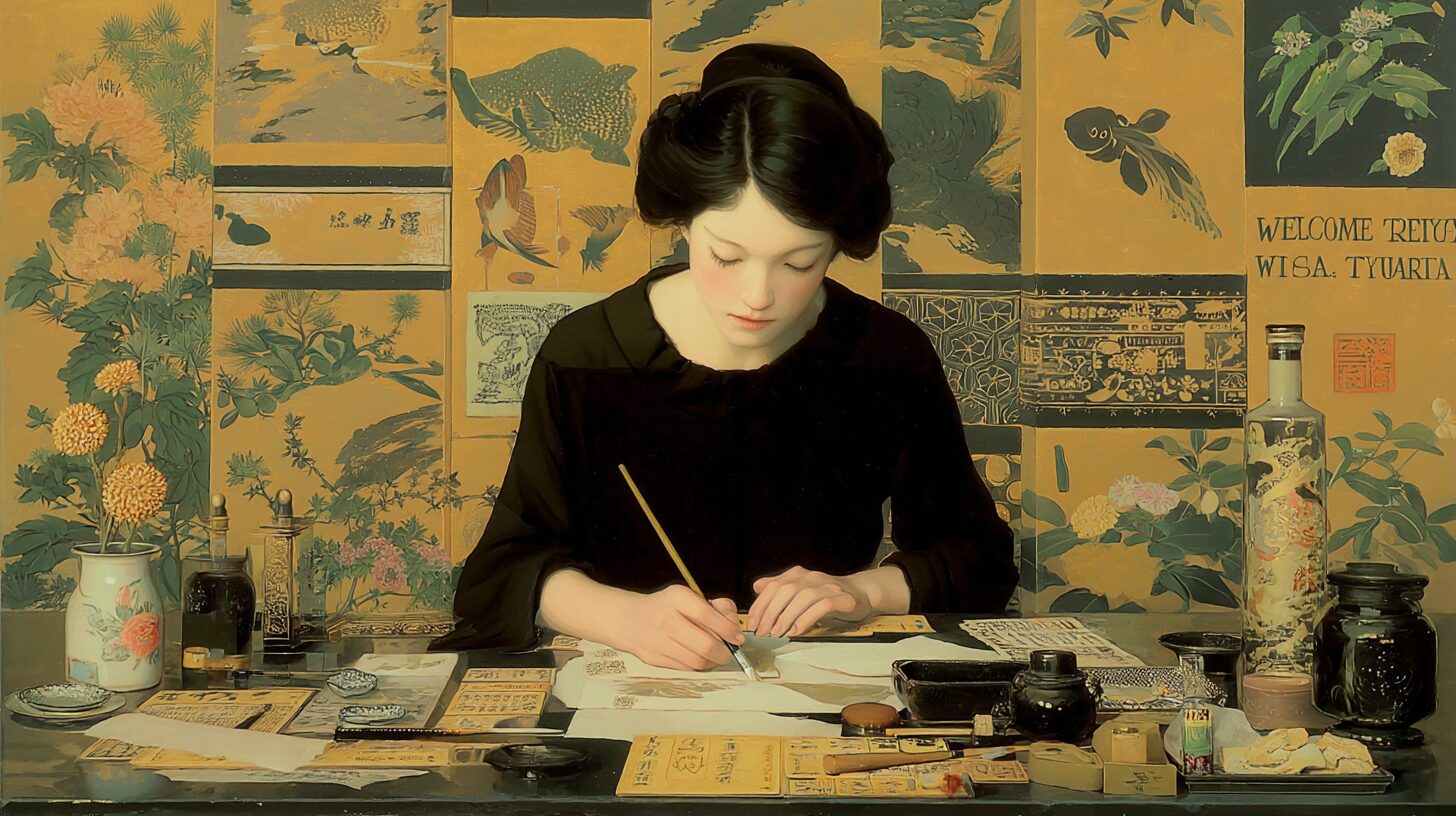
緑濃く燃ゆる大地。
龍の気配息づくこの国に生きる私たちの心を、豊かに彩ってくれる日本文化の数々。
私たちはもっともっと我らが文化を誇り、愉しむべきでしょう。
あなたはどんな日本文化がお好きですか?
今回のテーマは「和菓子」です。
さぁ、ひとまず日常の煩わしさは忘れて、共に日本の美と祈りの世界に没入しましょう🌸
第9話 和菓子
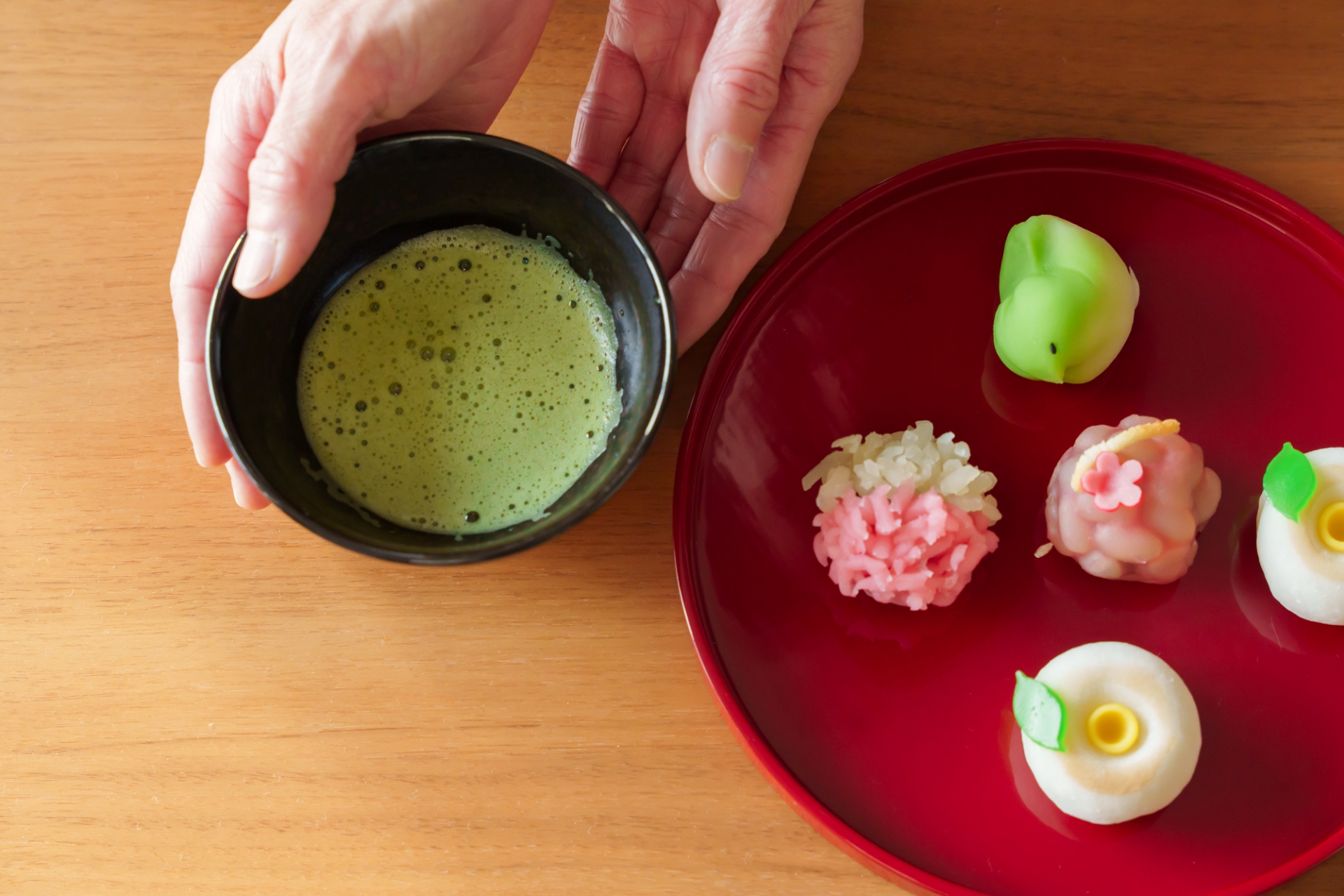
季節を映す、身近なアート
春には、薄紅の桜。
夏には、光をたたえた川面。
秋には、色づく楓とこっくりと実った果実たち。
そして冬には、静かに降り積もる真白な雪――
和菓子は、季節の移ろいを映し出す、日本独自の食文化です。
まだ暑さの残る頃、菓子舗の店先には早くも桔梗や薄、月や雁をかたどった菓子が並びはじめます。その愛らしい菓子を見て人は小さい秋を見つけ、暑く厳しかったひと夏が過ぎることを思い、ほっとするのでしょう。
私は四季の中で秋が一番好きなのですが、晩夏の郷愁と実りの秋の訪れは、毎年ご褒美のようなときめきをもたらしてくれます。
和菓子は花そのものを写実的に作ることもあれば、ひと筋の線や、わずかな色のぼかしだけで、風や水、月の光などの景色を表すこともあります。
季節の気配を簡潔に形へと置き換えられたその美しさは、日本画にも通じるものではないかと思いますが、その土地ならではの個性をもって、日本各地で様々な菓子たちが暮らしに彩りを添えてくれています。
木の実から始まった菓子のかたち
日本における菓子の起源は、木の実や果物にあると考えられています。現在のような甘い菓子がなかった時代、人々は自然の中で得られる果実や木の実を菓子の代わりとして味わっていました。
木の実を砕き、水にさらしてあくを抜き、丸めたものは、団子の原形のひとつとも言われています。
「菓子」という言葉にも、もともとは果物を意味する「果」が含まれています。
菓子は贅沢な嗜好品として生まれたのではなく、自然の甘味をいただくところから始まったのでしょう。
やがて大陸から唐菓子と呼ばれる食べ物が伝わり、米や麦、豆などを用いたさまざまな加工法がもたらされ、それらは神仏への供物や、宮中の饗宴にも用いられました。
餅や団子が、今も正月や節句、祭礼、人生の節目に欠かせないのは、こうした古い歴史があるからに他なりません。
穀物を搗き、丸め、供える。
その素朴な営みの中には、自然の恵みへの感謝と、これからの日々の安寧を願う心がありました。
和菓子は、大陸や南蛮からもたらされた文化を取り入れながら、長い時間をかけて日本独自の姿へと変化していきました。
とりわけ、その発展に大きく関わったのが茶の湯です。
抹茶の苦みをやわらげる甘味として、茶席では菓子が大切にされました。
亭主は、季節や茶会の趣向に合わせて菓子を選び、器や道具、床の間のしつらえと響き合わせます。
そこではひとつの菓子もまた、もてなしの場を構成する大切な要素となります。
江戸時代になると、砂糖の流通や製菓技術の発達によって、色彩や造形に富んだ菓子が各地で作られるようになりました。
京都、金沢、松江をはじめ、茶の湯が盛んな土地では、土地の歴史や風土を映した菓子文化が育まれていきます。
職人の手から生まれる和菓子には、柔らかな餡を包む手法、寒天や葛に涼やかな透明感を与える工夫、様々な木型を使って美しい文様を生み出す技法など、多くの技がありますが、それらの技の数々は、ただ、味わい深く美しい菓子を作るという一念によって生まれたものなのではないかと思います。
かつては藩主や宮中へ献上され、人々の祝いの日にも供されてきた和菓子。
そこには、時代ごとの技と心を尽くした職人たちの誇りが込められていたのでしょう。
形の愛らしさ、色の美しさ、佇まいの品のよさ、そして静けさ――
和菓子が美の一つのジャンルに挙げられる理由は、その姿を見れば明らかです。
菓銘がひらく、奥深い景色
上生菓子には、「菓銘」と呼ばれる名が付けられることがあります。その名は季節の植物や自然現象だけでなく、和歌や物語、古典文学の一節などから取られることもあります。
代表的なものに、早春の梅を思わせる「東風(こち)」や、紅葉に染まる川面を表した「竜田川」などがあります。「東風」は菅原道真の、「竜田川」は在原業平の和歌にちなむ菓銘です。
姿を眺め、名を味わい、まだ描かれていない景色を心の中に広げていく。
わずか数文字の名が菓子に添えられることで、その向こうに豊かな風景をひらき、すべてを表さずとも感得することができるのだという、日本文化に通底する精神を感じます。
和菓子は目と舌だけで味わうものではなく、姿の美しさ、菓銘の響き、器の質感、ほのかな香り、口の中でほどけていく感触……
それらすべてを含めた、五感で感じ取る文化です。
日本の和菓子は四季だけでなく、人々の祈りとも深く結びついてきました。
正月の鏡餅、桃の節句の菱餅やひなあられ、端午の節句の柏餅や粽、お彼岸のぼた餅とおはぎ……。
祝いの日にも、祖先を思う日にも、そこには餅や団子がありました。
紅白の色には祝いの心が託され、丸い餅には円満への願いが重ねられます。
また、桜餅や柏餅など、葉っぱにくるんで供される菓子も日本には数多くありますが、例えば柏餅に使われる柏の葉は、新しい葉が育つまで古い葉が落ちないことから、家系が絶えず続くことを願う縁起物とされます。
小さな世界だからこそ、素材一つにこだわり、そこに意味を加える。
それは和菓子のみならず、日本人の嗜好の一つなのかもしれません。
ご先祖さまへ供える甘味
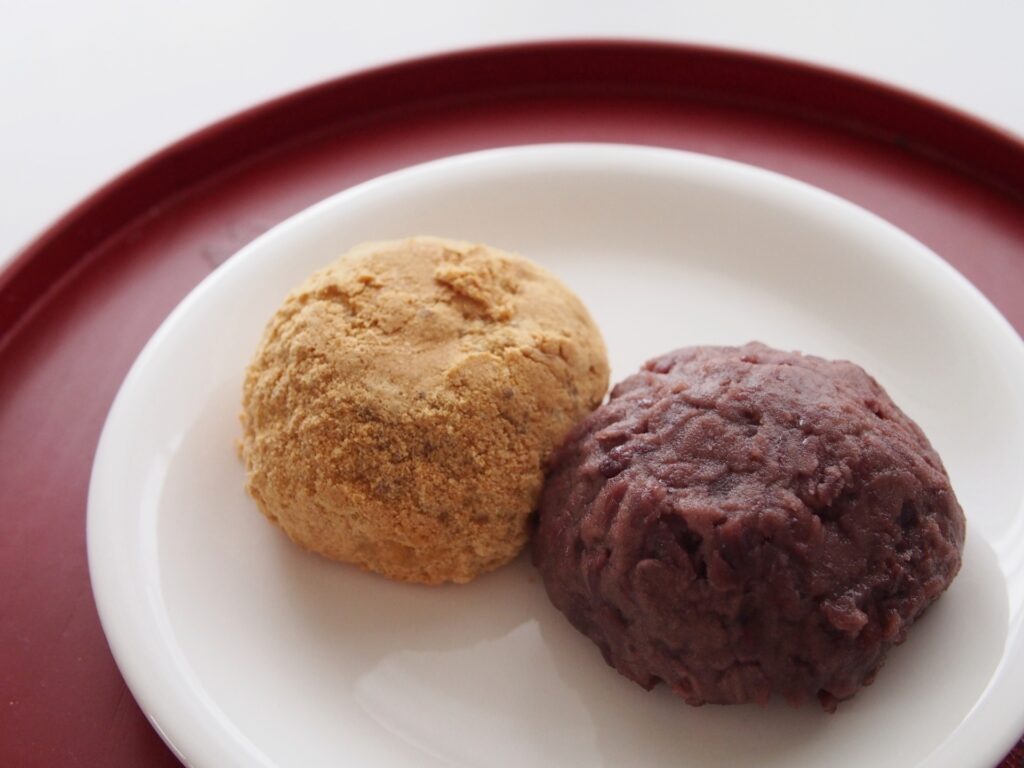
秋のお彼岸の菓子としてよく知られているのが、おはぎです。炊いたもち米を小豆の餡で包んだ素朴な菓子は、秋に咲く萩の花にちなみ、「おはぎ」と呼ばれるようになったと言われています。
春彼岸の「ぼたもち」は牡丹の花に由来するとされますが、呼び名や作り方は地域や家庭によって異なり、現在では季節を問わず同じ名で呼ぶこともあるのだそうです。
おはぎに使われる小豆の赤い色には、古くから邪気を遠ざける力があると考えられてきました。貴重であった砂糖や米を用いて作ったものを仏前に供えることは、亡き人への敬意と感謝だったのでしょう。
仏壇にはおはぎのほかにも、蓮や菊、果物などをかたどった落雁や砂糖菓子が供えられます。
ピンクに黄色、緑に白。花や実を思わせる愛らしい菓子が並んだ仏壇は、小さな庭のようにも思え、その美しい彩りを、ご先祖さまもきっと喜んでくださるでしょう。
地域によっては、麩菓子や飴を用いた色鮮やかなお供え菓子も作られてきました。
長く供えることのできる干菓子や砂糖菓子には、保存の知恵以上の思いが詰まっています。
そして、お仏壇に供えた菓子をお下がりしていただきます。
私は子供の頃、母や祖母に「お下がりしていい?」としょっちゅう聞いていました。
お供えものは勝手に食べてはいけないと教えられた訳でもないのに、子供にもわかるものなのですね。
先祖を敬う心は、お供えもの一つからでも養うことのできるものなのだと思います。
秋は名月の季節ですが、名月と言えば月見団子があります。
旧暦八月十五日の夜に月を愛でる十五夜は、中国から伝わった風習が、日本の農耕文化と結びついて定着したものだと言われています。
米の収穫期に重なることから、人々は月に見立てた団子や、その年に収穫された里芋などを供え、実りへの感謝と翌年の豊作への願いを捧げました。
十五夜が芋名月と呼ばれるのも、里芋を供えた習わしに由来します。
月見団子の形は、地域によって異なります。
白く丸い団子を高く積む地域もあれば、里芋に見立てた細長い餅を餡で包む地域、中央をへこませた団子、小豆をまぶした餅を供える地域もあります。
同じ月を仰ぎながら、その土地で採れるものを供え、それぞれの形で感謝を表す。
月見団子の多様な姿は、日本の祈りが風土や暮らしとともに育ってきたことを伝えています。
食文化は心身の根幹を形成するものです。
丁寧に作られた和菓子を、季節や文化と共にいただく。
子供たちはひと皿の菓子に、永く続く家族の絆や日本文化、日本の美意識を自然に感じ取っていく。
和菓子とは、四季を映す美しい嗜好品であると同時に、私たちの心を育てるとても奥深いものなのだと感じました。
美しさに宿る祈り――つゆらのまなざし
―― 文:安東瑠璃
つゆらストアのご案内
つゆらの世界観を小さな形にしました。つゆらストアにてご覧いただけます。
オリジナル画像制作も承りますので、もしよろしければどうぞ🍀
Episode 9: Wagashi
A Familiar Art That Mirrors the Seasons
In spring, pale pink cherry blossoms.
In summer, a river’s surface aglow with light.
In autumn, maples turning color and fruit ripening to a deep hue.
And in winter, pure white snow falling silently and settling――
Wagashi (traditional Japanese confectionery) are Japan’s own food culture, one that mirrors the changing seasons.
While the summer heat still lingers, confectionery shop windows begin to fill with sweets shaped like bellflowers, silver grass, the moon, or wild geese. Seeing these charming treats, people sense the first hint of autumn and feel a quiet relief that the long, harsh summer is coming to an end.
Of the four seasons, autumn is my favorite, and each year the wistfulness of late summer giving way to the abundance of autumn brings a thrill like a small reward.
Wagashi sometimes render flowers with realistic detail, and at other times capture scenery — the wind, the water, the light of the moon — through no more than a single line or the faintest gradation of color.
The beauty of translating the fleeting signs of a season into simple form seems, to me, akin to the spirit of Japanese painting, and across the country, wagashi shaped by the character of their own region continue to add color to everyday life.
Sweets That Began with Wild Fruit and Nuts
The origins of Japanese confectionery are thought to lie in wild fruit and nuts. In an age before sweets as we know them existed, people savored the fruit and nuts they gathered from nature in place of confections.
Nuts that were crushed, soaked in water to remove their bitterness, and rolled into balls are said to be one of the origins of dango, or round rice dumplings.
The word kashi, meaning “confectionery,” also originally contained the character for fruit.
Wagashi did not begin as a luxury, but rather, perhaps, with the simple act of receiving nature’s sweetness.
In time, foods known as karagashi (confectionery introduced from the Asian continent) were brought over, bringing with them various techniques for working with rice, wheat, and beans, which came to be used as offerings to the kami and Buddhas, and at banquets in the imperial court.
That mochi and dango remain indispensable to New Year celebrations, seasonal festivals, rites, and life’s milestones even today is owed to this long history.
Grain is pounded, shaped into rounds, and offered.
Within this humble practice lay both gratitude for nature’s blessings and a wish for peace in the days to come.
Wagashi, while absorbing culture brought from the Asian continent and from overseas, gradually took on Japan’s own distinct form over a long span of time.
The tea ceremony, in particular, played a major role in this development.
As a sweetness to soften the bitterness of matcha, confectionery came to be treasured at tea gatherings.
The host chooses a confection to match the season and the spirit of the gathering, harmonizing it with the tea vessels, utensils, and the alcove display.
There, even a single sweet becomes an essential element in composing the space of hospitality.
By the Edo period, the spread of sugar and advances in confectionery techniques led to sweets rich in color and form being created across the country.
In places where the tea ceremony flourished — Kyoto, Kanazawa, Matsue, among others — confectionery cultures reflecting the local history and climate took root and grew.
Wagashi born from artisans’ hands hold many techniques — methods for wrapping smooth bean paste, ways of giving agar or kudzu starch a cool transparency, the use of various wooden molds to create beautiful patterns — and I like to think that all these techniques were born from a single wish: to make confectionery that is both delicious and beautiful.
Wagashi — once presented to feudal lords and the imperial court, and served on people’s days of celebration.
Within them was surely contained the pride of artisans who, in every era, poured in their skill and heart.
The charm of their shape, the beauty of their color, the elegance of their presence, and their quiet stillness――
One need only look at wagashi to understand why they are counted among Japan’s forms of beauty.
The Landscape a Kamei Reveals
Jonamagashi (high-grade fresh wagashi) are sometimes given a name known as a kamei. These names may be drawn not only from seasonal plants and natural phenomena, but also from waka poetry, tales, and passages of classical literature.
Among the best known are Kochi (“East Wind”), evoking the plum blossoms of early spring, and Tatsutagawa (“Tatsuta River”), representing a river’s surface dyed with autumn foliage. Kochi takes its name from a poem by Sugawara no Michizane, and Tatsutagawa from a poem by Ariwara no Narihira.
To gaze upon its form, savor its name, and let a landscape not yet drawn unfold within the heart.
That a mere handful of characters attached to a sweet can open onto a rich landscape beyond it, and be felt without being fully shown — I sense in this a spirit that runs through the whole of Japanese culture.
Wagashi are not something to be enjoyed by eye and tongue alone — the beauty of their form, the resonance of their kamei, the texture of the vessel, a faint fragrance, the way they melt in the mouth……
They are a culture felt with all five senses.
Japanese wagashi have been bound up not only with the four seasons but also, deeply, with people’s prayers.
The kagami mochi (a stacked rice-cake offering) of New Year, the hishimochi and hina-arare (diamond-shaped rice cakes and rice crackers) of the Doll Festival, the kashiwamochi and chimaki (rice cakes and dumplings wrapped in oak or bamboo leaves) of the Boys’ Festival, the botamochi and ohagi of the equinox……
On days of celebration and on days of remembering one’s ancestors alike, mochi and dango have always been there.
Red and white carry the spirit of celebration, and a round mochi carries within it a wish for harmony and completeness.
Japan also has many confections wrapped in leaves and offered this way, such as sakuramochi and kashiwamochi. The oak leaf used for kashiwamochi, for instance, does not fall until a new leaf has grown, and so it is considered a symbol of good fortune, carrying the wish that a family line will continue unbroken.
It is perhaps precisely because their world is so small that such care is given to each ingredient, and meaning added to it.
This may be one expression of Japanese sensibility itself, not limited to wagashi alone.
A Sweetness Offered to One’s Ancestors
Ohagi are well known as a confection of the autumn equinox. This humble sweet — cooked glutinous rice wrapped in sweet azuki bean paste — is said to have come to be called ohagi after the hagi, or bush clover, that blooms in autumn.
The botamochi of the spring equinox is said to take its name from the botan, or peony, though the name and method of preparation vary by region and household, and today the same name is sometimes used regardless of season.
The red color of the azuki beans used in ohagi has long been believed to hold the power to ward off evil. To offer something made with precious sugar and rice at the family altar was, surely, an expression of respect and gratitude toward those who have passed.
Alongside ohagi, the household altar is offered rakugan and other sugar confections shaped like lotus flowers, chrysanthemums, and fruit.
Pink, yellow, green, and white. An altar lined with these charming sweets, evoking flowers and fruit, seems almost like a small garden, and one’s ancestors surely delight in its beautiful colors.
In some regions, colorful offering sweets made with fu-gashi (wheat-gluten confectionery) or candy have also been made.
Dried sweets and sugar confections that can be offered for a long time hold within them more than simply the wisdom of preservation.
And afterward, the sweets offered at the family altar are taken down and eaten, as osagari.
As a child, I would constantly ask my mother and grandmother, “Can I have the osagari?”
No one ever explicitly taught me not to eat an offering without permission, and yet, somehow, even a child understands.
I think that a reverence for one’s ancestors can be cultivated through something as small as a single offering.
Autumn is the season of the harvest moon, and when people think of the harvest moon, they think of tsukimi dango, or moon-viewing dumplings.
Jugoya, the night of moon-viewing held on the fifteenth night of the eighth lunar month, is said to be a custom that came from China and took root after merging with Japan’s own agricultural culture.
Because it coincides with the rice harvest, people would offer dango shaped like the moon, along with taro freshly harvested that year, giving thanks for the harvest and praying for a bountiful year to come.
Jugoya is also known as imo meigetsu, the “taro moon,” a name that comes from the custom of offering taro.
The shape of tsukimi dango differs from region to region.
In some places, round white dumplings are piled high; in others, dumplings shaped like taro are wrapped in bean paste; elsewhere, dumplings are pressed with a dimple in the center, or coated in azuki beans.
Looking up at the same moon, yet offering what each land itself provides, and expressing gratitude in its own form —
The many different shapes of tsukimi dango tell us that Japan’s prayers have grown together with its land and its way of life.
Food culture forms the very foundation of body and mind.
To enjoy a carefully made wagashi together with its season and its culture.
Through a single plate of sweets, children come to naturally sense the lasting bonds of family, Japanese culture, and Japan’s aesthetic sensibility.
Wagashi, I have come to feel, are at once a beautiful expression of the four seasons and something profound that nurtures our hearts.
The Prayer That Dwells in Beauty ― Tsuyura’s Perspective
―― Written by Ruri Ando
Tsuyura Store
A small expression of the Tsuyura world, shaped into tangible form.