緑濃く燃ゆる大地。
この龍の帝国に生きる私たちの心を豊かに彩ってくれる日本文化の数々。
私たちはもっともっとこの国の文化を誇り、愉しむべきでしょう。
あなたはどんな日本文化がお好きですか?
今回のテーマは「茶道」。
さぁ、ひとまず日常の煩わしさは忘れて、共に日本の美と祈りの世界に没入しましょう🌸
第三話 茶道
訪れるより以前から、そこに在るもの
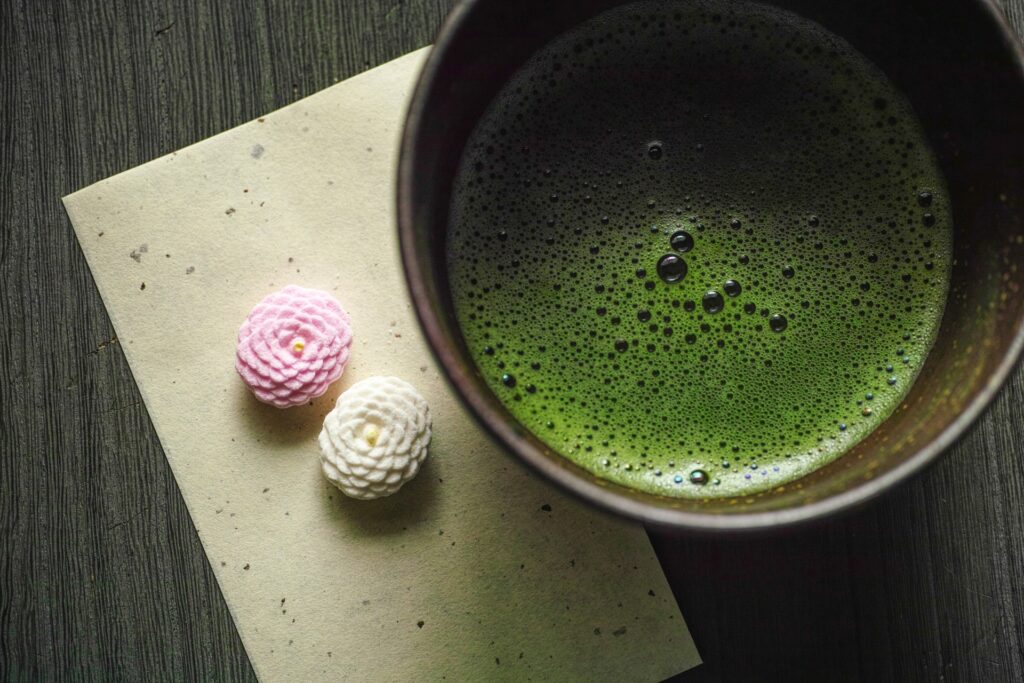
茶室の設えに正解はありません。けれど、亭主の心はそのすべてに映り、一歩その世界に踏み込んだ瞬間から亭主の洗練された趣味にふれ、その人となりすら想像できるでしょう。
棗や水指、花入れから床の間の掛け軸に至るまで、その日その客の為に亭主自らがすべてを整える・・・。
季節はもちろんのこと、格式やそのお茶席の規模、客人との間柄や好みなどのすべてを考慮して、美しい茶を点てる為に全身全霊をそそぐのです。
つまり、客が訪れる以前からもう茶の湯ははじまっている、と言ってもよいでしょう。
削ぎ落すことでひと椀が立ち上がる
茶道は世界に知られた日本文化の代表とも言うべきものですが、それは侘び寂びがもっともわかりやすい形で表現されているからとも言えるのではないでしょうか。
俗世に浴した心から煩悩や執着を捨離し、主客ともに一杯の茶を味わう。そこにお茶以外の必要なものはありません。たとえどれほど高価な茶碗や棗がそこに置かれたとしても、それは在ってなきものなのです。
そう、何を置くかではなく何を置かないか・・・。
時に道具の話に静かに盛り上がることはあっても、それはあくまで一期一会を愉しむ小さな仕掛けにすぎません。
茶道はお茶を介して日本人の精神をあらわした世界です。
削ぎ落され択び抜かれた静けさの中に、招き招かれ、時の流れる音だけが響く空間に身を置いて清き心を通わす。茶の湯は一つの明白なる祈りの形であり、これこそが日本の美なのです。
そこに魂をそそぐ
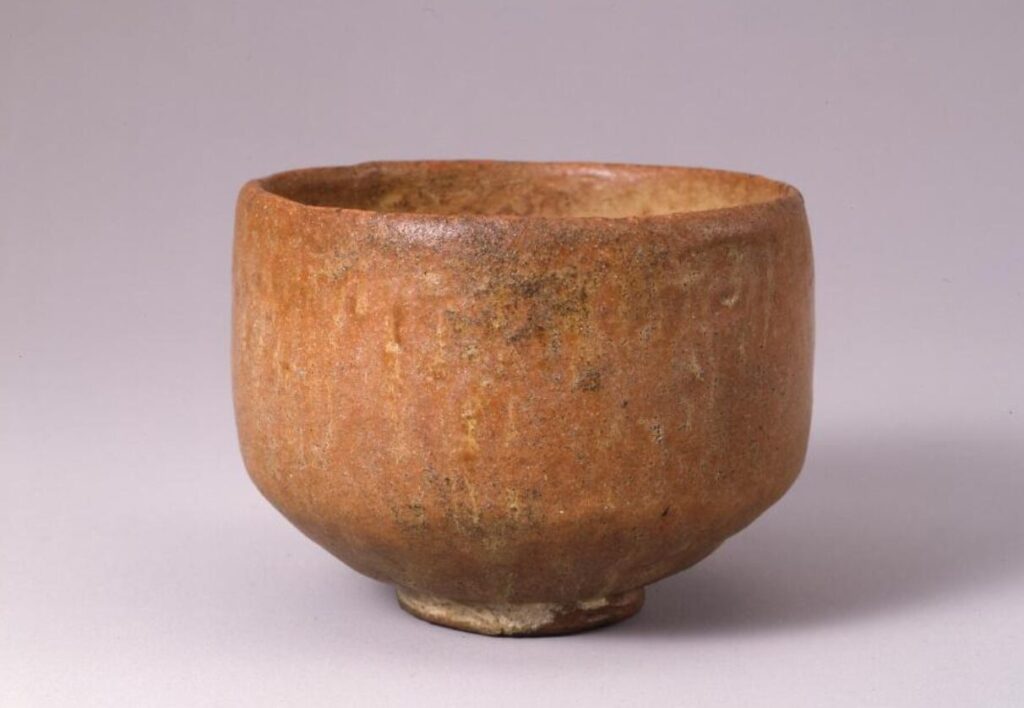
樂家初代・長次郎が手掛けた『赤樂 無一物』は、千利休の精神を象徴する名碗として知られています。
この茶碗には華やかな絵付けも、鮮やかな色彩もありません。わずかに歪んだ口縁、ざらりとした赤土の感触、釉薬の濃淡がわずかに霞むように広がるその姿は、まさに語らず、ただ在ることの美しさを示しています。
この「無一物」という名には、すべてを捨て去ったその先にこそ、真の豊かさが存在するという利休の思想が託されています。
利休の最期は壮絶なものでしたが、死に装束をまとった彼の心は本来無一物に立ち返り、虚空の中に深い祈りを解放して天へ旅立つという、真の豊かさを手に入れたのではないでしょうか。まさに、千利休にしか与えられなかった真の茶人としての彼の生き様であり、死に様だったのだと思います。
一座建立
茶道の根幹にあるのは一期一会の精神ですが、その完成形とも言えるのが、千利休の遺した一座建立(いちざこんりゅう)という言葉でしょう。
それは亭主と客が心を一つにし、たった一度の席を共に創り上げるという思想です。
たとえ亭主がすべてを供しても、客人の心がそこに加わらねば場は成り立たず、客人が敬意をもって向き合うことで、はじめてその空間が「一座」として築かれてゆく。
もてなしとは一方通行ではなく、互いが寄り添い同じ場を創り上げるという、楽しく優しいこころの共同作業なのです。
如何に空を創り、それを如何に味わえるか
茶の湯の本質は空(くう)にあるように思います。
削ぎ落し、削ぎ落されたその先にようやく立ちあらわれる静けさ・・・。
それは足すことで得られる充足ではなく、手放すことでしか開けない未知なる世界。
慎ましやかで、整えられており、そしてぴんと張りつめた空・・・。
そこに差し出されるひと椀には、きっと可憐に透きとおった真心が映えているでしょう。
もし仮に、その日の客人が茶の湯の作法を知らぬ人であっても、いただくお茶はその人にとって生涯の記憶となる筈です。
如何に空を創り、それを如何に味わえるか・・・。
茶道におけるこの深淵なるテーマは、日本の国造りにまで影響を与えて来たのでしょう。
静けさの中に深さの中に、そして慈愛の中に、私たちはふと祈りのかたちを見出す・・・。
そして思うのです。日本は唯一無二の国だと・・・。
無用の用、不足の美
目に留まるような華やかさはなく、そればかりか無用にも思える・・・。
欠けていて、ほころびていて、何なら汚れているような・・・。
そんな弱く力なきものにも、そのもののもつ個性を見出し、味わい、慈しむ・・・。
茶道の精神に欠かせない視点であり、これこそが「無用の用」と「不足の美」という侘び寂びの本質でしょう。
季節の草花をただ一輪。
真ん中ではなく、あえて外して置かれた炭の趣き。
傾げた障子に宿る日本固有の美意識・・・。
そこには完璧なものにはなし得ない智慧があります。
それは、場の呼吸を促すということ。
道具の配置、茶の温度、お軸の言葉、すべてはただの形式でなく、不足さえもその一会の人びとの心に静かに作用し、場の呼吸を促す・・・。
人はどんなに懸命に生きても、完璧にはなり得ません。
故に茶の湯は祈りとなり、沈黙のことばとなり、記憶の中で永遠に続く風景となるのです。
結びにかえて
語らずとも、自らの心を添えて思いを茶に託し、ひと椀を差し出す。
茶道でなくとも、私たちは家にお客様をお迎えすれば、まずお茶をお出ししますよね。
ひと椀とはもっとも身近で、もっともありがたい静かな贈り物です。
一杯のお茶をいただく時、そこに必要なのはただひと筋の感謝だけでしょう。
茶道は、敷居が高いと敬遠してしまうこともある格式の高い世界ですが、このせわしない世の中にひと椀の温もりを求めて門をたたくのも良いものだと思います。
そこには、ただ日本人としての美意識を養うには余りある奥深い世界が広がっています。
茶道は日本が世界に誇る、我らが魂の代弁者です。
美しさに宿る祈り――つゆらのまなざし
―― 文:安東瑠璃
つゆらストアのご案内
つゆらの世界観を小さな形にしました。つゆらストアにてご覧いただけます。
オリジナル画像制作も承りますので、もしよろしければどうぞ🍀
The Beauty and Prayer of Japan
Episode 3 | The Way of Tea
What is already there before the guest arrives
There is no single correct way to arrange a tea room. Yet the heart of the host is reflected in every detail, and from the moment one steps into that world, one encounters the host’s refined taste and may even begin to imagine the character of the person behind it.
From the natsume tea caddy, water jar, and flower vase to the hanging scroll in the tokonoma alcove, the host personally prepares everything for the guests of that particular day・・・.
Taking into account not only the season, but also the formality and scale of the gathering, the relationship with the guests, and their individual tastes, the host devotes heart and soul to preparing a beautiful bowl of tea.
In other words, one might say that chanoyu has already begun before the guests arrive.
A single bowl emerges through the art of subtraction
The Way of Tea is known throughout the world as one of the foremost expressions of Japanese culture. Perhaps this is because it gives the spirit of wabi-sabi its clearest and most tangible form.
Host and guests alike cast away the worldly desires and attachments that have gathered within their hearts and savor a single bowl of tea. Nothing is needed there beyond the tea itself. No matter how costly the tea bowl or natsume may be, it is present and yet, in essence, absent.
Yes, it is not a question of what to place there, but of what not to place・・・.
At times, a quiet conversation about the utensils may gently come alive, but even this is no more than a small device through which to enjoy the once-in-a-lifetime encounter of ichigo ichie.
The Way of Tea is a world that expresses the Japanese spirit through tea.
Within a stillness pared down to its essence and chosen with the utmost care, host and guests come together. They place themselves in a space where only the sound of passing time can be heard, and their pure hearts meet. Chanoyu is a clear and unmistakable form of prayer—and this is the beauty of Japan.
Pouring one’s soul into it
Muichimotsu, a red Raku tea bowl created by Chojiro, the first generation of the Raku family, is renowned as a masterpiece embodying the spirit of Sen no Rikyu.
This tea bowl bears neither ornate decoration nor brilliant color. Its slightly uneven rim, the coarse touch of its red clay, and the subtle variations of its glaze spreading across the surface like a faint haze reveal the beauty of saying nothing and simply being.
The name Muichimotsu—“not a single thing”—entrusts the bowl with Rikyu’s belief that true abundance exists only beyond the point at which everything has been relinquished.
Rikyu’s final moments were harrowing. Yet clothed in the white garments of death, perhaps his heart returned to the state of honrai muichimotsu—possessing nothing from the beginning—and, releasing a profound prayer into the emptiness, departed for the heavens having attained true abundance. I believe this was the life, and the death, of a true master of tea—a destiny that could have been given to no one but Sen no Rikyu.
Ichiza Konryu
At the heart of the Way of Tea lies the spirit of ichigo ichie, and its fullest expression may be found in the phrase ichiza konryu, left to us by Sen no Rikyu.
It is the belief that host and guests unite their hearts and together create a gathering that will occur only once.
Even if the host provides everything, the occasion cannot come into being unless the hearts of the guests are also present. Only when the guests approach the gathering with respect does the space gradually become established as an ichiza—a true gathering of hearts.
Hospitality does not flow in only one direction. It is a gentle and joyful act of creation, in which everyone draws close and builds the same shared space together.
Creating Emptiness—and learning to savor it
I believe that the essence of chanoyu lies in Emptiness.
Only after everything has been pared away does true stillness finally emerge・・・.
It is not a sense of fulfillment gained by adding more, but an unknown world that reveals itself only through letting go.
Humble, carefully ordered, and filled with a quiet, taut sense of Emptiness・・・.
Within the single bowl of tea offered there, one surely finds the host’s pure and transparent sincerity reflected.
Even if the guest knows nothing of the etiquette of chanoyu, the tea they receive will surely remain with them as a memory for the rest of their life.
How does one create Emptiness, and how does one truly savor it・・・?
This profound theme at the heart of the Way of Tea has perhaps even shaped the making of Japan itself.
Within stillness, within depth, and within compassion, we suddenly glimpse the form of prayer・・・.
And we cannot help but feel that Japan is truly a nation unlike any other.
The usefulness of the useless, the beauty of incompleteness
There is nothing dazzling enough to draw the eye. Indeed, it may even seem unnecessary・・・.
Something chipped, worn, or perhaps even slightly stained・・・.
Yet even within such fragile and seemingly powerless things, we discover their unique character, appreciate it, and cherish it・・・.
This perspective lies at the heart of the spirit of the Way of Tea. It is the very essence of wabi-sabi—the usefulness of the useless and the beauty found in incompleteness.
A single seasonal flower.
Charcoal deliberately placed slightly off center rather than in perfect balance.
The uniquely Japanese sense of beauty dwelling within a gently tilted shoji screen・・・.
There is a wisdom here that perfect things can never possess.
It is the wisdom of allowing a place to breathe.
The placement of the utensils, the temperature of the tea, the words written upon the hanging scroll—none of these are mere formalities. Even what is intentionally left incomplete quietly touches the hearts of those gathered for that once-in-a-lifetime meeting, allowing the space itself to breathe・・・.
No matter how earnestly we live, we can never become perfect.
That is why chanoyu becomes a prayer, a language of silence, and a landscape that lives on forever in our memories.
In place of a conclusion
Without speaking a word, we place our hearts into the tea and quietly offer a single bowl.
Even outside the world of the Way of Tea, whenever we welcome guests into our homes, the first thing we do is serve them tea.
A single bowl of tea is perhaps the closest, and the most precious, quiet gift we can offer.
When we receive a cup of tea, perhaps all that is truly needed is a simple thread of gratitude.
The Way of Tea is often regarded as an elegant tradition with a certain formality that can feel intimidating. Yet there is something deeply rewarding about stepping through its gate in search of the warmth of a single bowl amid the busyness of modern life.
There, one discovers a world whose depth is more than enough to cultivate the Japanese sense of beauty.
The Way of Tea is Japan’s proud gift to the world—the true voice of our soul.
The Prayer That Dwells in Beauty ― Tsuyura’s Perspective
— Written by Ruri Ando
Tsuyura Store
A small expression of the Tsuyura world, shaped into tangible form.