
緑濃く燃ゆる大地。
龍の気配息づくこの国に生きる私たちの心を、豊かに彩ってくれる日本文化の数々。
私たちはもっともっと我らが文化を誇り、愉しむべきでしょう。
あなたはどんな日本文化がお好きですか?
今回のテーマは「神社仏閣」です。
さぁ、ひとまず日常の煩わしさは忘れて、共に日本の美と祈りの世界に没入しましょう🌸
第一話 神社仏閣
日本には、神社とお寺というふたつの「祈りの場」が静かにあり続けています。
日本人の営みとともに千年以上の時を重ね、それぞれの形で、私たちの内なる静けさを見守ってきました。ではこの二つは如何に違い、如何に交わり、どのように私たちの心に寄り添ってきたのでしょうか。
起源と精神性
神社は、日本古来の自然信仰「神道」に由来します。
山や川、風や木々・・・あらゆるものに神が宿るという世界観が根底にあり、八百万の神々への感謝と敬いが祈りの中心にあります。
一方お寺は外来の仏教に基づき、生死とは何か、悟りとは何かという問いと向き合う場です。
インドに始まり中国を経て伝わった仏教は、やがて日本の風土と重なり合い、独自の美意識を育んできました。
神社は、今ここにある生命への感謝を捧げる場。
お寺は人の生と死、そして無常を見つめる静かな洞察の場なのです。
たとえば伊勢の神宮に足を運べば、祈りとは何かを問うよりもまず、自然と頭を垂れるような敬虔な思いに包まれます。対して京都の清水寺を訪ねれば、その大舞台に立った瞬間、自らが生かされているという説明のつかない不思議な感覚を得る人もいます。
それぞれの場が発するこの気の違いこそ、神道と仏教が育んできた精神の風土なのです。
神社の風、お寺の苔
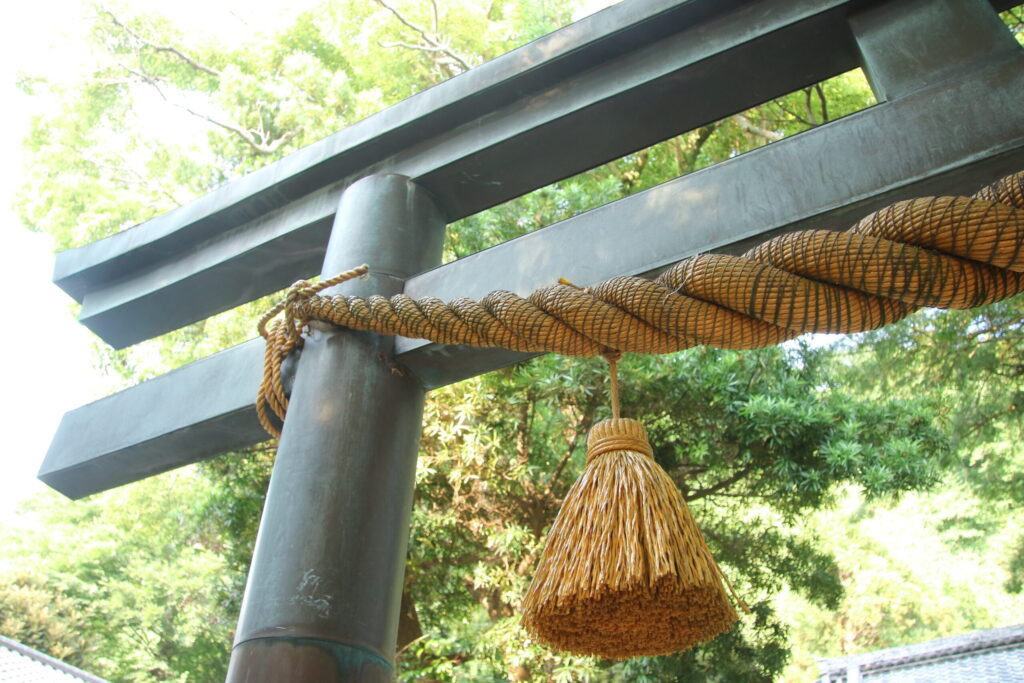
神社には鳥居があります。あの二本の柱と横木が示すのは、聖域と俗域の境界。
鳥居をくぐると空気がふっと変わったように感じることがありますが、それは自然(かみ)のおられる神聖な空間に、私たちが静かに身を置いた証しでしょう。
あなたが神様の気に心地よくふれたなら、辺りには一瞬にして神気みなぎる風が吹き渡るでしょうし、雨が降るのもよくあることです。龍神様のみ心にふれたのです。
こんな風にして神は、あなたが逢いに来てくれたことを魂で喜ばれ、いとも簡単に姿を見せてくださいます。ですから、神社にお詣りしてご加護をいただけない人など滅多にいないのです。知らぬは本人ばかり也・・・なのです。
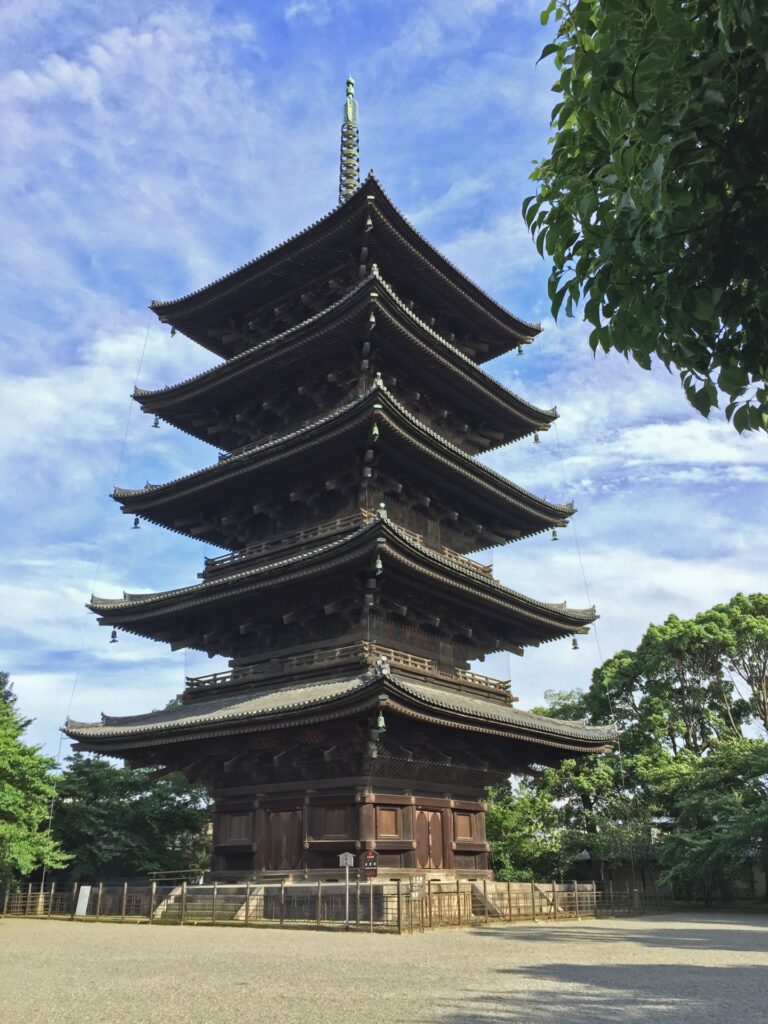
お寺には山門があります。長きにわたり風雨に耐えてそびえる風格のある寺門には、これまた時代を超えて生き続ける仁王像が阿吽の形相で立ち、私たちを出迎えてくださることでしょう。
時に苔むした大地から漂う湿った空気が肌を潤し、池の鯉や赤い前掛け姿の可愛らしいお地蔵様。本堂へのお参り前には鐘をつくことが許されているお寺も多くありますし、運がよければ本堂に安置されているご本尊様を間近で拝見することもかなうでしょう。
御朱印をいただき、境内のご神木の太さに驚きながら写真撮影してみたり・・・。
そんな尊き場で出逢うのは、他でもない仏教の宇宙観と構造美であり、そして何よりご神仏様から与えられる深く清い癒しに他なりません。
私たちがなぜ神社に詣り、お寺でお説法を聞くのか・・・。
それは日本人の魂が求めるものだからであり、日本人の手垢にまみれた信仰のかたちだからです。そこに言葉は要らず、知識も要らず、思考すら必要ありません。
ただ自ずと手を合わす、この心だけでよいのではないでしょうか。
神社では鏡が神の象徴とされることが多く、お寺では仏像が心の拠りどころとなります。
どちらも私たちには見えざるものの姿を、そっと映し出してくれるありがたい存在です。
祈りの所作もふた通り
神社では鈴を鳴らし、深く礼をして手を打ち願いを捧げます。
「二礼二拍手一礼」という所作には神への敬いと、自らの身を正す意志が込められています。
お寺では静かに合掌し、心を鎮めて仏に向かいます。
その所作に説明は要りません。
ただ手を合わせるだけで、自らの内に一つの空白が生まれます。
神社の祈りは、宇宙と和するために・・・。
お寺の祈りは、自らの心と和するために・・・。
どちらも祈りは外に向かうのではなく、内なる秩序を呼びもどす行為なのです。
神社での拍手は魂を呼び起こす行為とも言われており、自らの中にある静寂に響く音が、世界とのつながりを知らせてくれる・・・そんな感覚を覚える人も少なくありません。
一方合掌という所作には、自他の境を越える力があります。
ただ掌を合わせるだけで自身の内に存在するみ仏と出逢い、深層で対話することができる。
その心には安らぎが、魂には力がみなぎることでしょう。
神社とお寺は動と静の違いに見えて、いずれも祈りの形として等しく尊いものだと言えるでしょう。
日常における位置づけ
神社は初詣、七五三、地鎮祭、結婚式など、人生の節目節目に訪れる場所です。
その存在は私たち日本人の暮らしの中に自然に溶け込み、まるで家族のように寄り添ってくれます。
一方でお寺は葬送や法事、そして写経や座禅などを通じて、心の深部と向き合わせてくれる場所。
み仏の前では飾らず、隠さず、ありのままの自分でいればよいと感じさせてくれます。
神社とお寺は表と裏ではなく、光と影、昼と夜のように一つの循環なのかもしれません。
たとえば小さな村に祀られた氏神様が、世代を超え地域の中心として愛されているように、神社は共同体の根っこを支える存在。
一方、古びたお寺の山門をくぐるとき、そこに刻まれた無数の人々の記憶と、静かな鎮魂の空気を感じることがあるでしょう。
神社が生きた祈りの支柱なら、お寺は死者に捧げ、生者に寄り添う智慧を授けてくれる・・・。
どちらも人生という大河の両岸のように、私たちの営みをそっと見守っているのです。
神社仏閣のいま
ご神仏様は、けして遠い存在ではありません。
親戚よりも、隣人よりも、おそらく友人や家族よりも私たちの傍にいて、静かに見守ってくださっています。私たちの背中を押し、心を支え、導いてくださるそのご神仏様の想いを、私たちはもう少し気づかなくてはなりません。
神様仏様は私たちに何を教えようとされているのか、どう生きる事がご神仏様に報いる事なのか・・・。
きつい言い方になりますが、信仰心を持たない生き方は、単なるヒトとしての人生でしかないのです。
神社もお寺もその場の力ではなく、私たちのまなざしが祈りの空間を生む・・・。
そんな風に考えることができれば、私たちは受け身ではなく、もう少し積極的に日本の信仰に関わることができるのかもしれません。
現代社会では、祈るという行為そのものが日常から遠ざかりつつあります。
ですが都会の喧騒の中にも神社は多く見られますし、またどんな田舎に行ってもお寺のない所はありません。日本にはコンビニよりもはるかに多い神社仏閣が存在するのです。
けれど昨今残念なことに、神社仏閣の存続を危ぶむ声が大きくなってきています。
高齢化や人口減少、経済的な問題や後継者の不足などの様々な要因が、その存続に深刻な影を落としているのです。
特に地方では氏子や檀家の減少に歯止めがきかず、社寺を支える経済基盤が弱体化しています。そのため老朽化した社殿や寺院の修繕費が集まらず、すでに廃神社や廃寺となった社寺も多く存在します。
現在日本の経済状況は厳しく、また伝統文化への関心も低下傾向にあって、神社仏閣を取り巻く環境は悪化の一途を辿っています。
けれど私たちには、ご先祖様が守り続けてきた神社仏閣を後世に遺す責務があります。
是非日頃から神社仏閣にお参りし、お賽銭をしてご神仏様に手を合わせ、日々の感謝を捧げましょう。そんな簡単なことが神社やお寺を支える力となるのです。
結びにかえて
神社とお寺の違いを知ることはただの知識ではありません。
それは自分が何に手を合わせ、何に頭を垂れてきたのかを見つめ直す行為なのです。
あなたは人生の中で、どれだけ手を合わせてきましたか?
それが例えたった一度だとしても、その清らかな行いはきっとあなたの中に、見えない柱となって立ち上がっていることでしょう。
心が揺らいだ時にふと神社やお寺を訪れ、静かに手を合わせる・・・。
それだけで、言葉にならない感謝や願いが形をもつことがあります。
また、何気なく立ち寄ったお寺の庭に咲く一輪の花が、沈んだ心にそっと光をくれることもあるでしょう。
祈りとは、誰かに何かを願うだけのものではなく、自分自身を見つめ直して決意し、時には覚悟して、自らの内を強くしなやかにする行為なのだとあらためて感じます。
美しさに宿る祈り――つゆらのまなざし
―― 文:安東瑠璃
つゆらストアのご案内
つゆらの世界観を小さな形にしました。つゆらストアにてご覧いただけます。
オリジナル画像制作も承りますので、もしよろしければどうぞ🍀
The Beauty and Prayer of Japan
Episode 1 | Shrines and Temples
Throughout Japan, two sacred places of prayer have quietly endured: Shinto shrines and Buddhist temples.
For more than a thousand years, they have stood alongside the lives of the Japanese people, each preserving a different form of spiritual tradition while gently watching over the quietness within our hearts. How do these two places differ, where do they intersect, and in what ways have they continued to accompany our souls?
Origins and spirituality
Shinto shrines originate from Shinto, Japan’s indigenous faith rooted in the worship of nature.
At its heart lies the belief that mountains, rivers, winds, trees, and all things are inhabited by divine spirits. Prayer is centered on gratitude and reverence for the countless kami that dwell throughout the natural world.
Buddhist temples, by contrast, are founded upon Buddhism, a religion introduced from abroad that contemplates profound questions such as the meaning of life, death, and enlightenment.
Originating in India and passing through China before reaching Japan, Buddhism gradually merged with the Japanese landscape and spirit, nurturing a uniquely Japanese sense of beauty.
A shrine is a place where gratitude is offered for the life that exists here and now.
A temple is a place of quiet contemplation, inviting us to reflect upon life, death, and the impermanence of all things.
When you visit Ise Grand Shrine, rather than questioning the nature of prayer, you may simply find yourself bowing your head in quiet reverence. In contrast, standing upon the grand wooden stage of Kiyomizu-dera Temple in Kyoto, many people experience an indescribable feeling that their own lives are being sustained by something far greater than themselves.
The unique spiritual atmosphere each place radiates reflects the distinct landscapes of the heart cultivated by Shinto and Buddhism throughout the centuries.
The wind of shrines, the moss of temples
Every shrine is marked by a torii gate. Its two pillars and crossbeam signify the boundary between the sacred and the ordinary worlds.
As you pass beneath it, you may feel the atmosphere subtly change. Perhaps it is simply the quiet awareness that you have entered a sacred space where the divine presence of nature gently resides.
If your heart truly resonates with the presence of the kami, you may suddenly feel a breeze filled with sacred vitality sweep across the surroundings. It is not uncommon for rain to begin falling as well, as though you have touched the compassionate spirit of the Dragon Deity.
In this way, the gods rejoice from the depths of their being that you have come to visit them, and they reveal their presence with remarkable ease. For this reason, it is rare for anyone to leave a shrine without receiving some form of divine blessing. More often than not, the only one unaware of it is the visitor themselves.
Temples, on the other hand, are entered through imposing sanmon gates. Having withstood countless years of wind and rain, these dignified gateways are guarded by powerful Nio statues, whose expressions of “A” and “Un” have watched over visitors through the ages, silently welcoming all who arrive.
The moist air rising from moss-covered ground gently touches the skin, while colorful carp glide through quiet ponds and charming Jizo statues dressed in red bibs offer silent comfort. At many temples, visitors may ring the temple bell before entering the main hall, and if fortune smiles upon them, they may even have the opportunity to stand before the temple’s principal Buddha image.
You may receive a goshuin, pause to photograph an ancient sacred tree whose immense trunk inspires awe, or simply wander through the peaceful grounds.
What we encounter in these sacred places is nothing less than the Buddhist vision of the universe and its profound architectural beauty—and above all, the deep and pure healing bestowed upon us by the Buddhas and divine beings.
Why do we visit shrines, and why do we listen to Buddhist teachings at temples?
Because they answer something deeply rooted within the Japanese soul. They are forms of faith shaped by generations of ordinary lives. In such places, words are unnecessary. Knowledge is unnecessary. Even thought itself is unnecessary.
Perhaps all that is truly needed is a heart that naturally comes together in prayer.
At shrines, the sacred mirror often serves as a symbol of the divine, while at temples, Buddhist statues become objects of quiet devotion.
Both gently reveal the unseen, offering us a glimpse of that which lies beyond the visible world.
Two expressions of prayer
At a shrine, worship begins with the ringing of a sacred bell, followed by a deep bow, the clapping of hands, and a prayer.
The traditional ritual of “two bows, two claps, and one final bow” embodies both reverence for the kami and the intention to purify one’s own heart.
At a temple, one quietly places the palms together and calms the mind before the Buddha.
No explanation is needed for such a gesture.
Simply bringing the hands together creates a quiet space within oneself.
The prayers offered at shrines seek harmony with the universe…
The prayers offered at temples seek harmony with one’s own heart…
Neither form of prayer is directed outward. Rather, both are acts of restoring the inner order that already resides within us.
The clapping of hands at a shrine is often said to awaken the soul. Many people feel that the sound echoing through their inner silence gently reminds them of their connection to the greater world.
Gassho—the simple act of placing one’s palms together—possesses the power to transcend the boundary between oneself and others.
By merely joining the hands, one may encounter the Buddha that resides within and enter into a silent dialogue at the deepest level of the heart.
In that stillness, the heart finds peace, and the soul is quietly renewed with strength.
Though shrines and temples may seem to represent movement and stillness, both are equally precious expressions of prayer.
Their place in everyday life
Shrines are places we visit at the milestones of life—for Hatsumode (the first shrine visit of the New Year), Shichi-Go-San, ground-breaking ceremonies, weddings, and many other important occasions.
Their presence has become so naturally woven into Japanese life that they stand beside us almost like members of the family.
Temples, on the other hand, accompany us through funerals, memorial services, sutra copying, and Zen meditation, inviting us to look deeply within ourselves.
Before the Buddha, there is no need for pretense or concealment. We are simply free to be who we truly are.
Perhaps shrines and temples are not opposites, but parts of a single cycle—like light and shadow, or day and night.
Just as the guardian deity of a small village is cherished across generations as the heart of the local community, shrines quietly sustain the roots of communal life.
Likewise, when passing through the ancient gate of an old temple, one may sense the countless memories left by those who came before, together with the quiet atmosphere of remembrance that lingers there.
If shrines are the living pillars of prayer, then temples offer wisdom that honors the departed while gently embracing those who remain.
Like the two banks of a great river called life, both quietly watch over the journey of our existence.
Shrines and temples today
The Buddhas and divine beings are never far from us.
They are closer than relatives, nearer than neighbors, and perhaps even closer than friends or family. Quietly they watch over us, encouraging our steps, supporting our hearts, and gently guiding our lives. We must become more aware of the love and compassion they continually extend to us.
What are the kami and the Buddhas trying to teach us? How should we live in order to honor their blessings?
This may sound rather direct, but a life without faith is ultimately no more than a merely human existence.
Neither shrines nor temples possess their sacredness solely because of the places themselves. Rather, it is our own reverence that transforms them into spaces of prayer.
If we can embrace this way of thinking, perhaps we will no longer remain passive observers, but become more active participants in Japan’s spiritual traditions.
In modern society, the act of prayer itself is gradually fading from everyday life.
Yet shrines can still be found amid the bustle of great cities, and even the smallest villages are rarely without a temple. Japan is home to far more shrines and temples than convenience stores.
Sadly, however, growing concern surrounds the future of these sacred places.
An aging population, declining birthrates, economic hardship, and the shortage of successors have all cast a serious shadow over their continued existence.
Particularly in rural communities, the number of parishioners and temple supporters continues to decline, weakening the financial foundations that sustain these sacred sites. As a result, many aging shrine buildings and temple halls can no longer be properly maintained, and a growing number have already been abandoned.
Japan’s current economic challenges, together with a gradual decline in public interest in traditional culture, have made the circumstances surrounding shrines and temples increasingly difficult.
And yet, we have a responsibility to pass on the shrines and temples that our ancestors faithfully preserved for future generations.
May we make it a habit to visit shrines and temples, offer a small donation, place our hands together in prayer before the kami and the Buddhas, and give thanks for each day. Such simple acts become a quiet yet powerful way of supporting these sacred places.
In closing
To understand the difference between shrines and temples is not simply to gain knowledge.
It is an opportunity to reflect upon what we have offered our prayers to, and before what we have bowed our heads throughout our lives.
How many times have you brought your hands together in prayer?
Even if it has happened only once, that single act of sincerity has surely become an invisible pillar standing quietly within your heart.
When your heart is troubled, you may find yourself visiting a shrine or temple and quietly bringing your hands together in prayer.
Sometimes that alone gives form to feelings of gratitude or hopes that cannot be expressed in words.
And at other times, a single flower blooming unnoticed in a temple garden may gently bring light back into a saddened heart.
Prayer is not merely the act of asking something of someone. It is the act of looking deeply within ourselves, renewing our resolve, and, when necessary, embracing courage—strengthening the heart with both resilience and grace.
The Prayer That Dwells in Beauty — Tsuyura’s Perspective
— Written by Ruri Ando
Tsuyura Store
A small expression of the Tsuyura world, shaped into tangible form.