緑濃く燃ゆる大地。
龍の気配息づくこの国に生きる私たちの心を、豊かに彩ってくれる日本文化の数々。
私たちはもっともっと我らが文化を誇り、愉しむべきでしょう。
あなたはどんな日本文化がお好きですか?
今回のテーマは「陶磁器」です。
さぁ、ひとまず日常の煩わしさは忘れて、共に日本の美と祈りの世界に没入しましょう🌸
第六話 陶磁器
土から生まれた、美の歴史
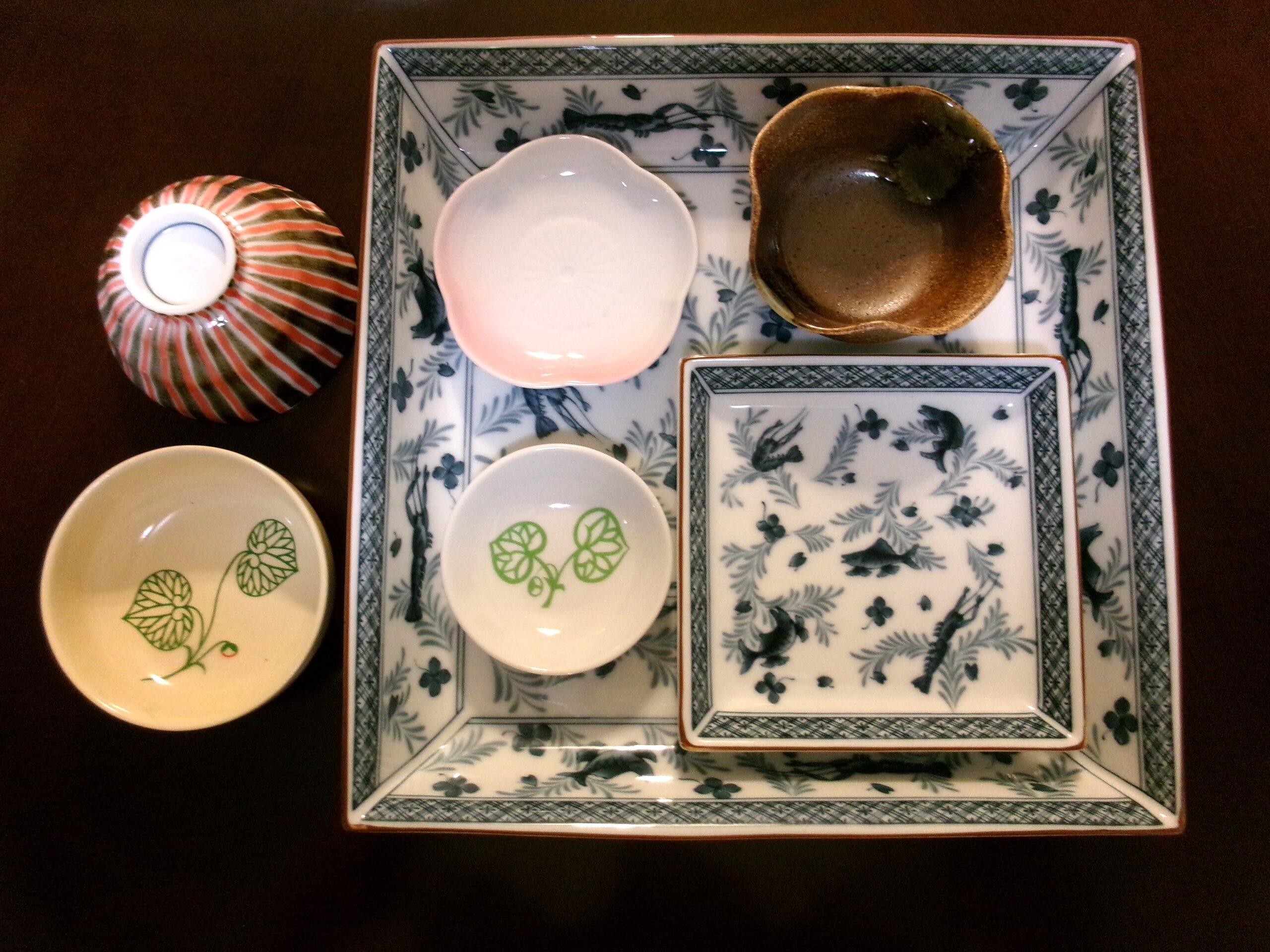
日本人にとって、陶磁器はとても身近な存在です。毎日の食卓に並ぶ茶碗や湯呑み、季節の菓子を乗せる皿、花を活ける花器……。
あまりに当たり前で、それがどれほど長い歴史をもつ文化なのかということを、時に忘れてしまいます。
けれど、日本の焼きものの歴史はとても古く、一万年以上前にはすでに土を焼いて器を作っていたと言われています。
たとえば縄文土器は、実用品でありながら驚くほど力強いものです。
縄文人特有の生命力とでも言うべきでしょうか、炎のような装飾、うねるような曲線が見せるその器たちは、現代の整った美とはまったく異なる、祈りにも似た生命力を宿しています。
やがて時代が進むにつれ、日本の器は少しずつ変化していきます。
素朴な土器から、洗練された茶器へ……。日用品でありながら、美を宿す存在へ……。
ここでよく語られるのが、「陶器」と「磁器」の違いです。
陶器は、土を主原料として焼かれた器です。温かみがあり、ざらりとした質感をもち、どこか人肌に近いと感じる人もいるのではないでしょうか。
釉薬の流れや歪みも含めて、“揺らぎ”の美を感じさせてくれます。
一方、磁器は石を砕いた原料から作られた器です。
硬く、薄く、光を透かすような透明感を持ち、その白さには静かな気品があります。
たとえば、手に持った時の感覚も違います。
陶器は包み込むような温もりがありますが、磁器には澄んだ静けさを感じることができます。
日本人は昔から、この二種類の器を使いわけてきました。
夏には白磁や青磁の涼やかな器、冬には土ものの温かな器、という風に……。
器を変えることで、季節そのものを食卓に映してきたのです。それは単なる実用ではありません。暮らしの中に季節を招じ入れる、日本人ならではの感性だったのでしょう。
日本を代表する三大陶磁器産地
日本には数え切れないほどの焼きものの産地があります。その土地ごとに土も水も、炎の性質も異なるため、器にはそれぞれの風土が自然と映し出されます。
中でも、日本を代表する陶磁器産地としてよく挙げられるのが、瀬戸焼、美濃焼、有田焼です。いずれも長い歴史を持ち、日本の食文化や美意識を支えてきました。
まずは、瀬戸焼。
愛知県瀬戸市を中心に発展した焼きもので、非常に古い歴史を持つ産地として知られています。
「せともの」という言葉が陶磁器全般を意味することからもわかるように、その存在は日本人の暮らしに深く根付いています。
瀬戸焼の魅力は、その幅広さにあります。素朴な日用品から繊細な工芸品まで、時代ごとに柔軟に姿を変えながら、人々の暮らしと共に歩んできました。
どこか温かみがあり、使うほどに手に馴染む。
瀬戸焼には、“暮らしの器”としての穏やかな美しさがあります。
一方、美濃焼は岐阜県東濃地方を中心に発展しました。
桃山時代には茶の湯文化と結びつき、志野焼や織部焼といった個性的な美を生み出します。
柔らかな白。
大胆な歪み。
深い緑の釉薬。
そこには、“整い過ぎない美”があります。
特に織部焼の自由さは、日本陶芸の中でも独特です。左右対称にこだわらず、どこか遊び心があり、
時に前衛的ですらあります。
崩れた形や余白の中にこそ心が宿ると感じ、愛でてきた日本人の感性が、美濃焼には色濃く表れているように思います。
現在、日本の食卓に並ぶ陶磁器の多くが美濃焼だと言われるほど、生産量の多い産地でもあります。
そして有田焼。
佐賀県有田町周辺で焼かれる有田焼は、日本で初めて本格的に磁器が作られた地として知られています。十七世紀初頭、朝鮮半島から伝わった技術によって、日本の磁器文化は大きく発展しました。
白く硬質な磁肌。
透き通るような白。
繊細な染付や色絵。
有田焼は、それまでの土もの中心の焼きものとは異なる、“澄んだ美”を日本にもたらしました。
さらに有田焼は、伊万里港からヨーロッパへ輸出され、「IMARI」の名で世界に知られるようになります。当時のヨーロッパでは、日本の磁器は非常に高価な存在でした。王侯貴族たちは東洋の白磁に魅了され、宮殿を飾る美術品として珍重したと言われています。
けれど、日本の陶磁器の魅力は豪華さだけではありません。
描き込み過ぎない美。
静けさを残す美。
光と影を受け止める白。
一つの器の中に季節があり、土地があり、作り手の時間がある。
焼きものを見ていると、小さな景色を眺めているような気持ちになることがあります。
器を超えた存在
それではここで、陶磁器の少し意外な使われ方をご紹介しましょう。
まずは、陶枕。昔の中国や日本では、夏に涼を取るため、磁器の枕が使われることがありました。ひんやりとした感触は夏の暑さを和らげる知恵だったのでしょう。
現代の感覚では「痛くないの?」という印象ですが、エアコンのない時代に夏を快適に過ごす為の、
とびきりなアイデアだったのかもしれません。
次に、火鉢や湯たんぽも焼きもの文化の一つです。
私の実家には大きな火鉢がありました。たしか藍色の陶器で、灰に火箸が刺さっていたのを覚えています。こんなもので温かくなるのだろうかと、子供ごころに不思議に思っていましたが……。
湯たんぽは最近様々な素材のものが出ていますが、湯たんぽの元祖は陶器です。室町時代に中国から伝わりました。徳川綱吉が犬型の陶器の湯たんぽを使っていたという記録も残されています。
また建築装飾や、伏見にはじまり博多に代表される土人形、究極のところでは骨壺にも陶磁器が使われています。
つまり陶磁器とは単なる器を越えて、人の暮らしそのものを支えてきたのです。
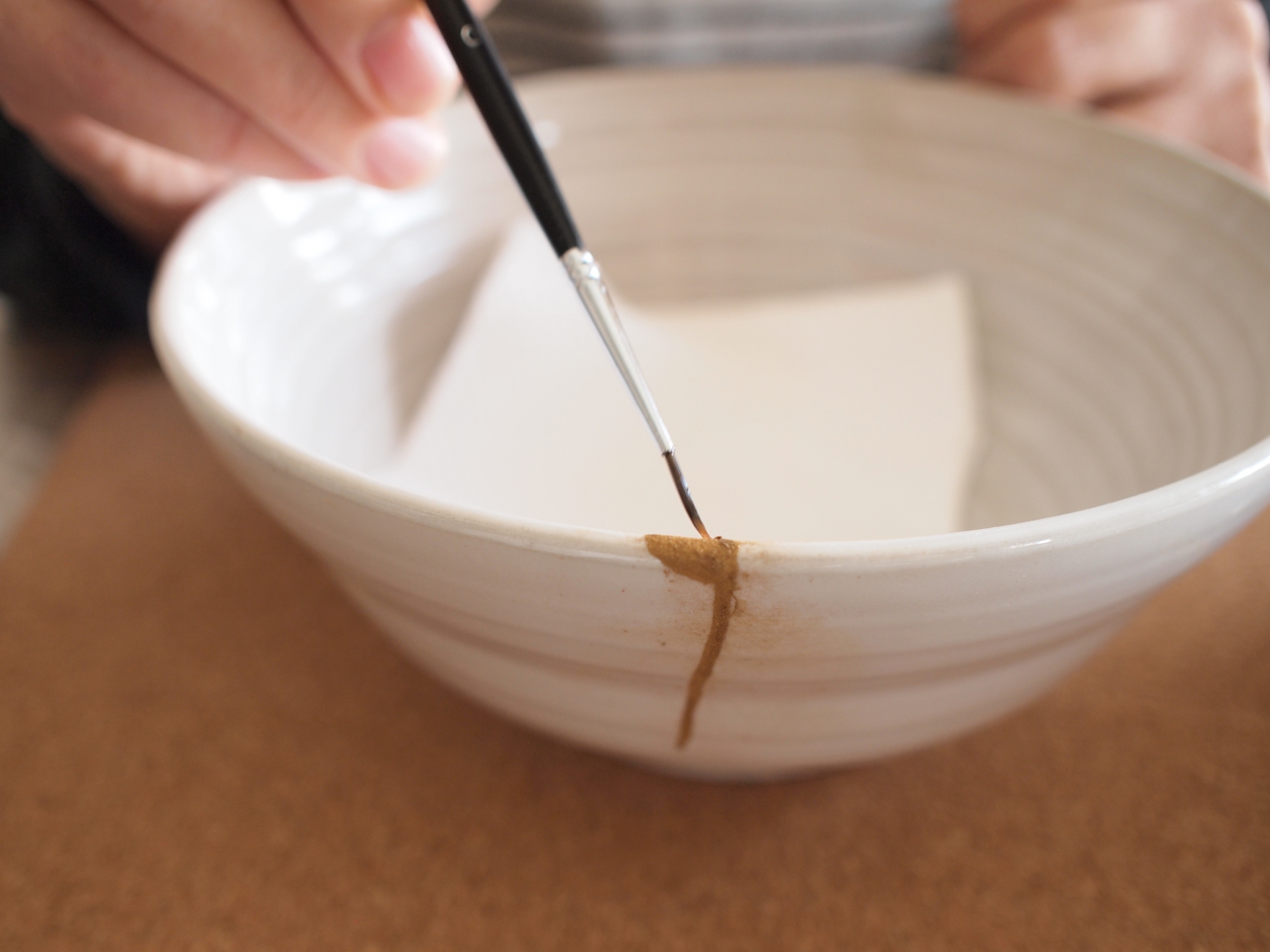
そんな暮らしに欠かせない大切なものだったからこそ、日本には割れた器すら捨てずに使い続ける文化が生まれました。金継ぎです。
欠けた部分を漆で繋ぎ、金で装飾するその技法は、単なる修復を超えて傷ごと美として受け入れるという、日本独特の美意識をさらに醸成しました。
壊れて終わりではない。
完璧でないからこそ美しい。この日本特有の感覚は、暮らしのみならずあらゆる芸術に浸透した価値観であり、日本文化を限りなく厚く成している理由の一つではないでしょうか。
その感覚は、人間の生き方にもどこか通じるものを感じます。
もしかしたら、日本文化とは不完全な人間の姿そのものなのかもしれない……
今ふと、そんな気がしました。
効率とは真逆の場所で生まれる美
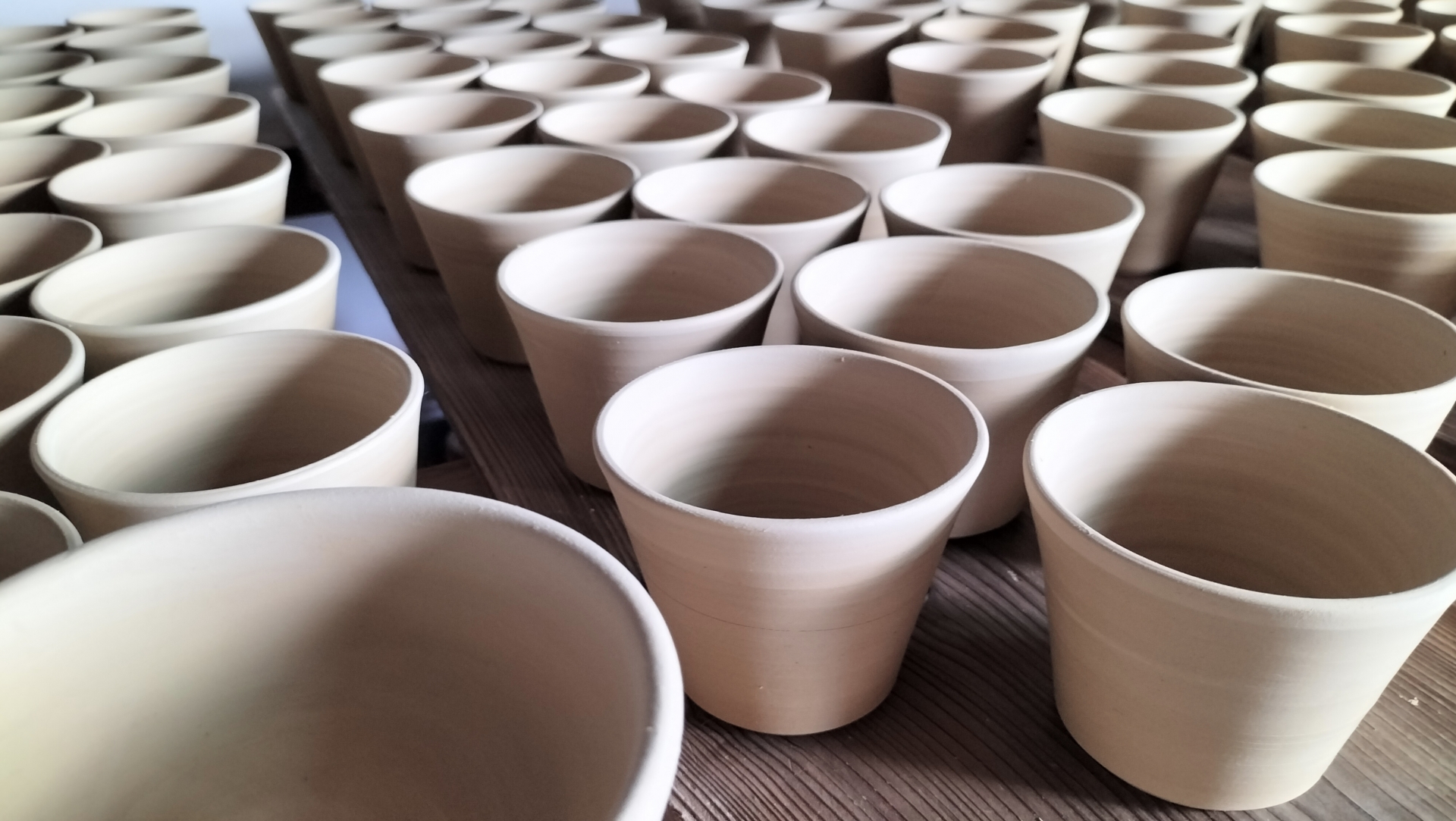
現代は大量生産の時代です。均一で便利で、安価な器は簡単に手に入ります。
その一方、今もなお土と、火と向き合いながら器を作り続ける陶工たちがいます。
彼らは言います。
窯の炎は、生き物だと……。
同じ土を使っても同じ色にはならない。
同じ釉薬でも、焼き方によって景色が変わる。
炎は時に器を美しく変化させ、時に容赦なく割る、と……。
つまり陶磁器とは、人が完全には支配できない芸術なのでしょう。
土は微生物の宝庫ですから、むしろ当然なのかもしれませんが、だからこそ焼き上がった器には偶然の美が宿るのです。
釉薬の滲み。
灰の流れ。
炎の痕跡。
その一瞬の偶然が器の顔となって姿を現します。
そこには機械では生み出せない揺らぎがあり、唯一無二の個性となります。
土を触る時間。
窯を待つ時間。
失敗を受け入れる時間。
効率とは真逆の場所で生まれる美。
もしかしたら、全部駄目かもしれない。
けれど、何千と焼いた器の中に、稀有な一点が立っているかもしれない。
その面白さは、素人にはけして想像のつかない劇的なものなのでしょう。
そして、だからこそ彼らは、今日も土と向き合っているのかもしれません。
器は多くを語りません。
けれど、日々の暮らしの中で、静かに人の心を受け止めています。
土から生まれた器たち。
それはもはや、人類が手放すことのできない一つの群魂――そんな存在なのかもしれません。
美しさに宿る祈り――つゆらのまなざし
―― 文:安東瑠璃
つゆらストアのご案内
つゆらの世界観を小さな形にしました。つゆらストアにてご覧いただけます。
オリジナル画像制作も承りますので、もしよろしければどうぞ🍀
The Beauty and Prayer of Japan
Episode 6 | Japanese Ceramics
A history born from the earth
For Japanese people, ceramics are an inseparable part of everyday life.
Rice bowls upon the dining table, teacups held in quiet moments, plates carrying seasonal sweets, vessels for arranging flowers…
They are so familiar that we sometimes forget how ancient this culture truly is.
Yet the history of Japanese pottery stretches back remarkably far.
It is said that more than ten thousand years ago, people in Japan were already shaping earth into vessels and hardening them through fire.
Jōmon pottery, for example, possesses astonishing strength despite being made for practical use.
Perhaps it reflects the unique vitality of the Jōmon people themselves — flame-like ornamentation, swirling curves, forms filled with an almost primal energy.
These vessels embody a life force entirely different from the polished perfection often admired today.
As the centuries passed, Japanese ceramics gradually evolved.
From humble earthenware to refined tea bowls…
From simple utensils into objects capable of carrying beauty itself.
At this point, one distinction is often discussed: the difference between pottery and porcelain.
Pottery is made primarily from clay.
It feels warm, textured, almost close to human skin.
The flow of glaze and the subtle distortions in shape create a gentle sense of irregularity that many people find deeply comforting.
Porcelain, by contrast, is made from crushed stone.
It is thin, hard, and translucent, with a quiet elegance dwelling within its whiteness.
Even the feeling in one’s hands differs.
Pottery seems to embrace warmth, while porcelain carries a serene stillness.
For centuries, the Japanese have lived alongside both kinds of vessels.
Cool white porcelain and celadon during the summer months…
Warm earthenware through the winter…
By changing their vessels, people reflected the seasons themselves upon the table.
This was never merely practical.
It was a uniquely Japanese sensibility — inviting the changing seasons gently into everyday life.
Japan’s three great ceramic traditions
Japan is home to countless ceramic-producing regions.
The clay differs from place to place.
So do the water, the fire, and the surrounding air.
As a result, each vessel naturally reflects the spirit of its land.
Among them, three traditions are often regarded as representative of Japanese ceramics:
Seto ware,
Mino ware,
and Arita ware.
Each possesses a long history and has shaped Japanese food culture and aesthetics for generations.
First is Seto ware.
Produced mainly around Seto City in Aichi Prefecture, it is known as one of Japan’s oldest ceramic traditions.
The very word setomono eventually came to mean ceramics in general, revealing how deeply Seto ware became woven into Japanese daily life.
Its charm lies in its versatility.
From simple household wares to delicate artistic pieces, Seto pottery has continued to evolve alongside the lives of ordinary people.
There is a quiet warmth to it — a calm beauty that grows more familiar the longer it is used.
Mino ware, meanwhile, developed in the Tōnō region of Gifu Prefecture.
During the Momoyama period, it became closely connected with the culture of tea ceremony and gave birth to highly distinctive styles such as Shino ware and Oribe ware.
Soft whites.
Bold distortions.
Deep green glazes.
Within them exists a beauty untouched by excessive perfection.
Oribe ware in particular possesses remarkable freedom.
Unconcerned with strict symmetry, it often feels playful, at times even strikingly modern.
Japanese aesthetics have long cherished the idea that beauty may dwell within asymmetry, emptiness, and irregularity.
Mino ware seems to embody this sensibility vividly.
Today, a large portion of the ceramics used on Japanese dining tables are still produced as Mino ware, making it one of the country’s most significant ceramic regions even now.
Then there is Arita ware.
Produced around Arita Town in Saga Prefecture, Arita ware is known as the birthplace of authentic porcelain production in Japan.
In the early seventeenth century, techniques brought from the Korean Peninsula transformed the history of Japanese porcelain.
Pure white surfaces.
Translucent beauty.
Delicate blue-and-white painting and vibrant overglaze decoration.
Arita ware introduced a new kind of refined clarity into Japanese ceramics.
Later, these porcelains were exported to Europe through the port of Imari and became known throughout the world as “IMARI.”
At the time, Japanese porcelain was regarded as extraordinarily precious in Europe.
Royal families and aristocrats admired these eastern white porcelains as treasured works of art.
And yet, the beauty of Japanese ceramics does not lie in luxury alone.
Beauty that does not overwhelm with decoration.
Beauty that leaves room for silence.
Whiteness that quietly receives light and shadow.
Within a single vessel dwell the seasons, the land, and the time of its maker.
At times, gazing upon ceramics feels almost like looking into a small landscape.
Beyond the vessel
At this point, let us look at some of the more unexpected roles ceramics have played throughout history.
One example is the ceramic pillow.
In old China and Japan, porcelain pillows were sometimes used during the summer months to provide coolness.
Their chilled surface must have been a clever way to ease the heat long before the age of air conditioning.
From a modern perspective, one might wonder, “Wasn’t it uncomfortable?”
Yet perhaps it was an ingenious form of wisdom born from necessity.
Braziers and hot-water bottles also belong to the world of ceramics.
In my childhood home, there was a large ceramic brazier.
I still remember its deep indigo color and the fire tongs resting quietly within the ash.
As a child, I used to wonder how something like that could possibly keep a room warm.
Today hot-water bottles are made from many materials, but originally they too were ceramic.
Introduced from China during the Muromachi period, they became part of Japanese daily life.
There are even records stating that Tokugawa Tsunayoshi once used a dog-shaped ceramic hot-water bottle.
Ceramics have also appeared in architectural ornamentation, traditional clay dolls, and even funerary urns.
In other words, ceramics have long supported not only meals, but human life itself.
Because these objects were considered precious parts of daily existence, Japan eventually developed a culture that refused to discard even broken vessels.
This is the art of kintsugi.
Fragments are joined together with lacquer and decorated with gold, transforming repair itself into beauty.
It is more than restoration.
It is the acceptance of wounds as part of existence itself.
Brokenness is not the end.
Imperfection itself may become beautiful.
This uniquely Japanese sensibility has quietly shaped not only everyday life, but countless forms of art throughout the centuries.
And perhaps, in some way, it also reflects the human condition itself.
At times, I find myself wondering if Japanese culture may simply be another expression of imperfect humanity.
Beauty born far from efficiency
Ours is an age of mass production.
Uniform, convenient, inexpensive vessels can now be found everywhere.
And yet, even today, there are ceramic artists who continue to devote themselves to clay and fire.
They say the flames within the kiln are alive.
The same clay never produces exactly the same color.
The same glaze changes depending on the firing.
Sometimes the fire transforms a vessel beautifully.
At other times, it destroys it without mercy.
Perhaps ceramics are, by nature, an art form that can never be completely controlled.
And precisely because of this, accidental beauty emerges within each fired piece.
The bleeding of glaze.
The flow of ash.
The traces left by flame.
In a single fleeting moment, these accidents become the face of the vessel itself.
There exists within them a subtle irregularity that no machine can reproduce.
The time spent touching clay.
The long hours waiting beside the kiln.
The willingness to accept failure.
Beauty born in a place entirely opposed to efficiency.
Perhaps everything may fail.
And yet, among thousands of fired vessels, there may appear one truly extraordinary piece.
To those outside the craft, the drama of such moments may be almost impossible to imagine.
And perhaps that is why ceramic artists continue, even now, to return to the earth and the fire.
Ceramics do not speak loudly.
Yet quietly, within the rhythm of daily life, they continue to receive the human heart.
Vessels born from the earth.
Perhaps they have already become something humanity can no longer live without — a kind of collective soul shared across generations.
The Prayer That Dwells in Beauty — Tsuyura’s Perspective
— Written by Ruri Ando
Tsuyura Store
A small expression of the Tsuyura world, shaped into tangible form.