
緑濃く燃ゆる大地。
この龍の帝国に生きる私たちの心を豊かに彩ってくれる日本文化の数々。
私たちはもっともっとこの国の文化を誇り、愉しむべきでしょう。
あなたはどんな日本文化がお好きですか?
今回のテーマは「精進料理」。
さぁ、ひとまず日常の煩わしさは忘れて、共に日本の美と祈りの世界に没入しましょう🌸
第二話 精進料理
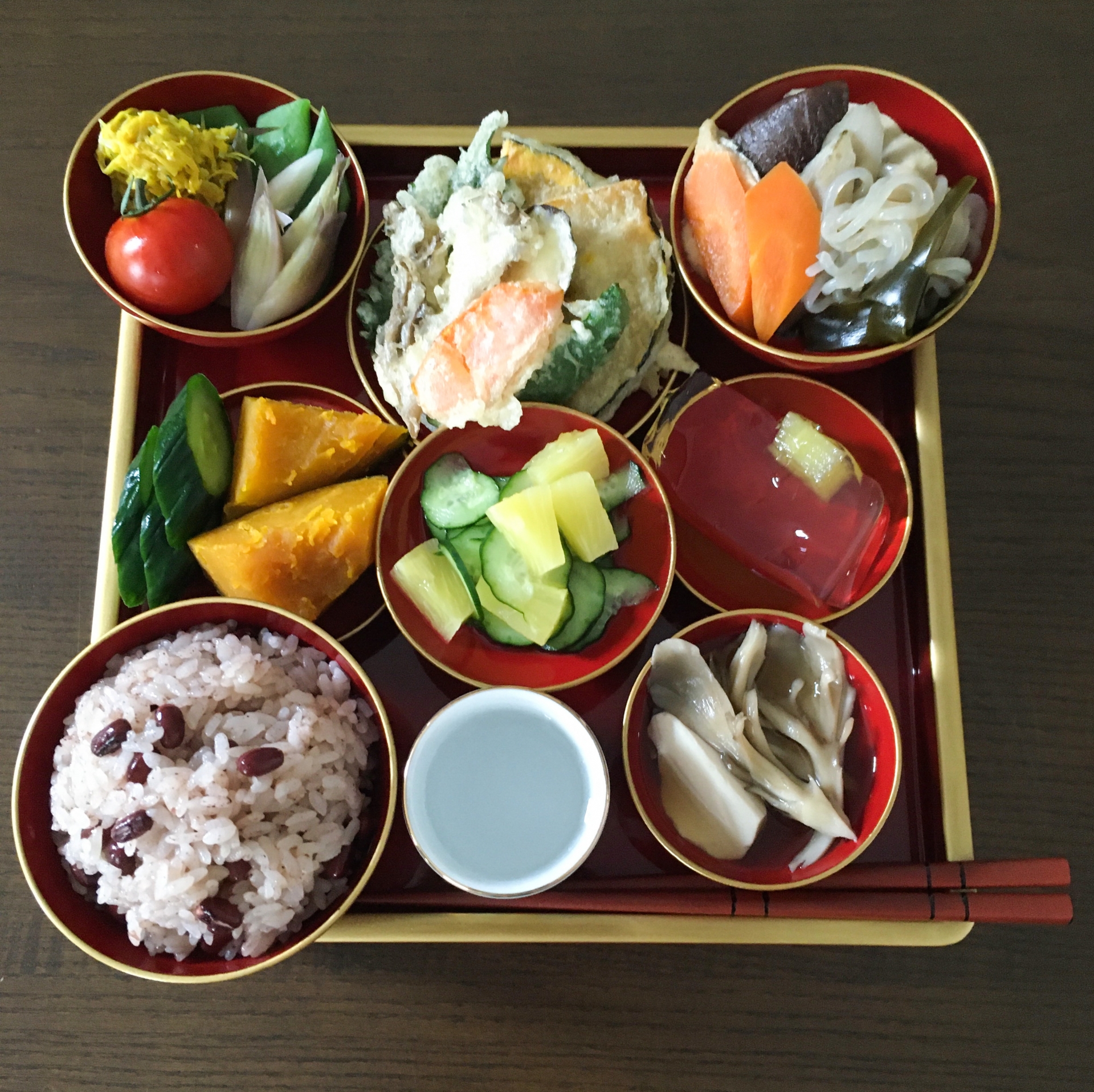
膳としての小宇宙をいただく
低く差し込む光の中、黒漆の器に盛られた野菜の煮しめ。
ふたを開けた瞬間にふわりと立ち昇る、干し椎茸と昆布の出汁の香り。
里いも、にんじん、春菊、牛蒡、れんこん・・・。
薄味の中にも私たちの心と体がしみじみと喜ぶエッセンスが凝縮されています。
それは日本人が古くから慣れ親しんできた滋味。
毎日のおばんざいの代表格ですが、この一皿が精進料理として供される時、
それは折り目正しさをまとい、いただく者の心さえも整える魔法を奏でるのです。
言ってみれば、美しい漆器に盛られたひと椀の小宇宙・・・。
そこには、供す者の供される者への思いが静かに寄り添い、見た目の華やかさ以上の精神性を湛えています。
一膳に込められた美しさは単なる料理の枠を超えて、自然と共鳴し、さらには日本人の祈りや思いやりそのものが映し出されていると感じます。
慎んで、食べるではなくいただく・・・。
日本には、慎みの心をとても重んじる風土が根づいています。
精進料理はそんな日本人の精神を形にした、美しい一片の絵とも言えるでしょう。
沈黙が語る、膳のちから
ぴんと澄んだ空気が流れる卓には、美しい膳が整然と並びます。
精進料理を前にして客人が自ずと居ずまいを正すのは、礼儀以前に日本人のアイデンティティーゆえかもしれません。隅々まで配慮された膳から立ちのぼる静謐な気に、それを受け取る側も箸の運び一つにも気を配ることで返礼する。これこそが日本が世界に誇る精進料理のこころです。
盛られた椀の色を目で味わい、香りに耳を澄ませ、舌触りを愉しむ。そして味を覚える。
いただくという行為が、祈りのひと雫に変わっていく・・・。
精進料理のもつ静かなちからです。
料理のみならず、それらを整える台所そのものも、常に綺麗に整えられていることでしょう。清らかな湯気、研ぎ澄まされた包丁、洗い上げられた割烹着に身を包み、端正な一品を仕上げることだけに集中するその手。そして、磨かれた器たちの光沢…。
精進料理を仕立てるその美しい台所は、すでに精進の場なのです。
つまり、精進料理はその心をいただくと言っても過言ではないでしょう。
だからこそ客は、礼節をもって心していただく。
精進料理がもつ、心のちからです。
味の奥にひそむ、心の手ざわり
にんじんの白和えにはくるみのまろやかさがほのかに添えられ、じっくりと炊き上げた牛蒡のやわさには、細かな手仕事と思いやりの心が隠されています。
出汁の染みた小芋はほろりと崩れて舌の上でとけ、湯気にのって鼻先をかすめる柚子の香には、季節の彩りをみることができます。
淡い味つけの中にも記憶に残る奥深さがきちんとあって、作り手の心の温度が滲んでいる・・・。
「料理は愛情」という言葉は万国共通でしょうが、その心が特に表れているのが精進料理だとも言えるでしょう。
現代では効率やスピードが重視されがちですが、精進料理の世界では手間をかけることこそが大切だとされます。単に時間をかけるということでなく、手間を惜しまぬ心が大切だということ・・・。
見えない所に入れた隠し包丁、盛り付けを美しくする飾り切りなど、それはひと言で言えば手間です。ですが客のためのそのひと手間がもてなすということであり、日本の美の根底に流れる精神のひと柱なのです。
お悦びの席に添えられる静かな華やぎ、茶懐石にみる精進の美
精進料理は弔いの膳と思われがちですが、実はその本質にこそ、悦びの場にふさわしい「美の節度」が潜んでいます。とりわけ茶の湯で供される懐石料理には、精進の精神が静かに息づいています。
主人が客人を思い厳選したお献立には、季節の移ろいと、華やぎの心をみることができるでしょう。
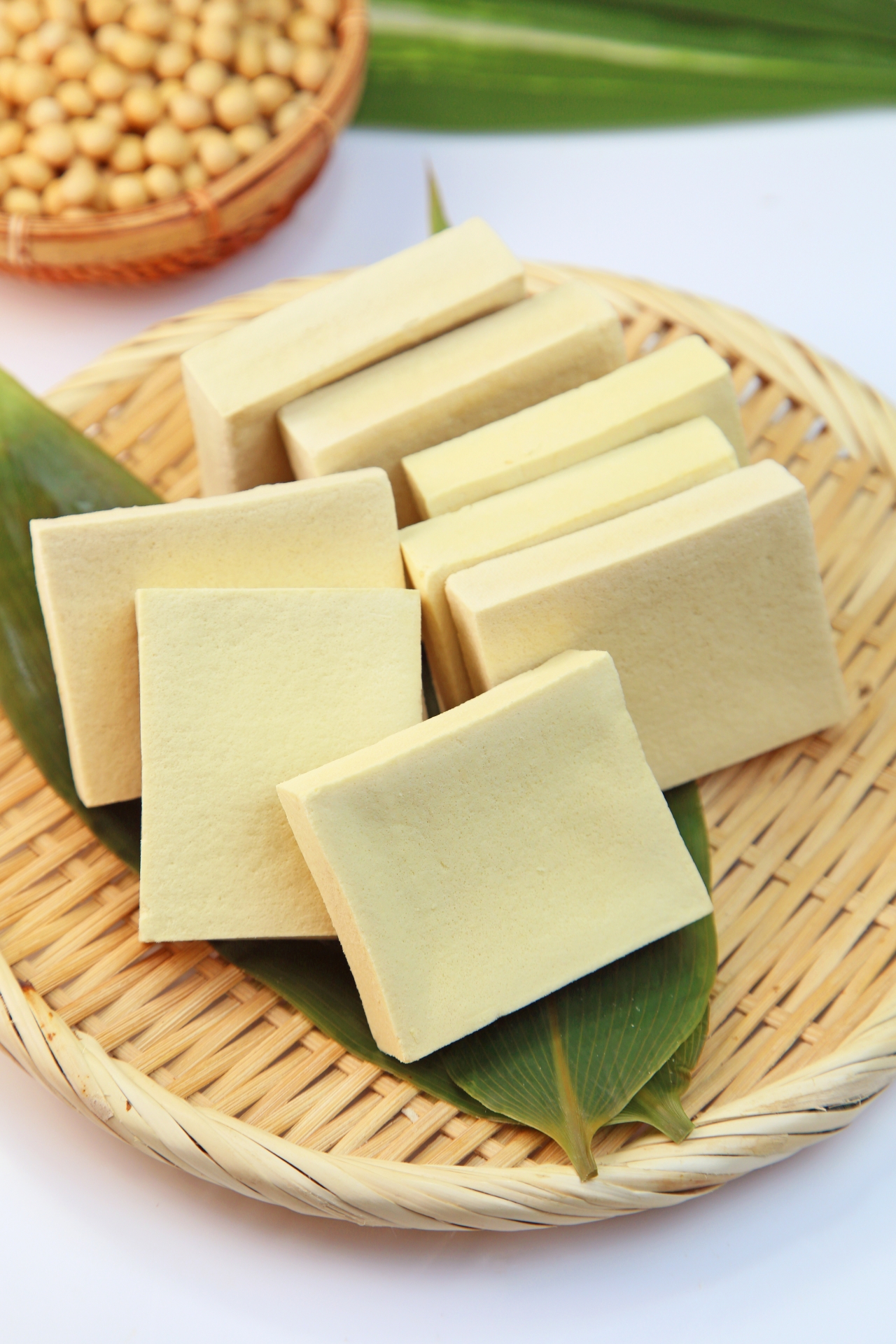
蕪の白さと柔らかさ、黒豆の艶やかなこと、香り高くどこまでも滑らかな胡麻豆腐・・・。
そのすべてが、語らずして心を尽くした至福の一皿。
けしてぜいたくな食材を使うわけではない、されど、派手ではない華やかさがある。
これこそが日本人のもっとも得意とする、もてなしの所作なのです。
茶の湯における懐石は、「一客一亭」の精神に支えられています。
たった一度のために整えられる膳、その瞬間にしか愛でることのできない美しさ。
懐石で供される精進の一皿にはその季節、香り、音までもが封じ込められ、五感のすべてが満たされるような喜びがあります。
これはけして単なる演出ではなく、ただ一人の客を思う亭主の心が自然にたどり着いた華やぎ・・・。
私たちもお客様をお迎えする時、とてもワクワクして心が華やぎますよね。
もてなすとは本来、そのワクワクした思いを伝えることなのではないでしょうか。
慎ましやかな寿ぎ
茶懐石の席でふるまわれる精進の膳には、まずもって寿ぎがあらわれていますが、それは微笑ましいほど慎ましやかなものです。
静かに器の中で咲く、四季。
春には山菜の苦み、夏には煮びたした茄子の紺色、秋には栗や銀杏、冬は白味噌の湯気・・・。
それらはまるで、自然そのものが寿いでいるかのようです。
日本人が大切に伝えてきた、お悦びのかたち。
卓にあらわされた四季には日本の心が息づき、口に運ぶたびにその小さな寿ぎを味わう私たちの心には、自然と安らぎが生まれています。
それはまるで、大地そのものが祝福の言葉を紡いでくれているかのよう・・・。
自然とともにある精進料理だからこそ、いただくことで、人の生命もまた自然の一部なのだと慎ましい気づきを与えてくれる・・・。
いただくという根源的な所作の中にもこうした学びがあること、これこそが精進料理の尊さであり、ずっと末永く伝えていくべき日本の宝なのです。
結びにかえて
精進料理の美しさは、ただ淡く優しい味わいにあるのではなく、殺生を避け、慎みをもって膳を整える、その姿勢の中にこそ宿っているのでしょう。
限られた素材の中で心を尽くし、手間を惜しまず、いただく人の心まで静かに整えていく。
そこには、日本人が古くから大切にしてきた慎ましやかな美意識が息づいています。
華やかに見せるのではなく、静かに満たすこと。
語りすぎずとも、きちんと心を届けること。
精進料理とは、そうした日本のもてなしの精神を映す、美しいかたちのひとつなのかもしれません。
一膳の中に漂う静けさにふと心が澄むとき、私たちは食を通して、整えるという祈りに触れているのかもしれません。
美しさに宿る祈り――つゆらのまなざし
―― 文:安東瑠璃
つゆらストアのご案内
つゆらの世界観を小さな形にしました。つゆらストアにてご覧いただけます。
オリジナル画像制作も承りますので、もしよろしければどうぞ🍀
The Beauty and Prayer of Japan
Episode 2 | Shojin Ryori
Receiving a small universe as a meal
In the low-slanting light, vegetables simmered gently are arranged in black lacquerware.
The moment the lid is lifted, the fragrance of broth made from dried shiitake mushrooms and kombu rises softly into the air.
Taro, carrots, garland chrysanthemum, burdock root, lotus root…
Even within its delicate seasoning, it holds a concentrated essence that brings quiet joy to both heart and body.
It is a nourishing flavor the Japanese people have known and loved since ancient times.
It is also one of the most familiar forms of everyday obanzai, home-style side dishes. Yet when this single dish is served as shojin ryori,
it takes on a sense of grace and order, working a kind of magic that even brings the heart of the one receiving it into alignment.
One might call it a small universe held within a single bowl of beautiful lacquerware…
There, the thoughtfulness of the one who serves quietly draws close to the one being served, carrying a spirituality that goes far beyond outward beauty.
The beauty contained in a single tray goes beyond the bounds of ordinary cooking. It resonates with nature, and even seems to reflect the prayers and compassion of the Japanese people themselves.
With reverence, one does not merely eat, but receives…
In Japan, a deep respect for humility has long taken root in the culture.
Shojin ryori may be called a beautiful fragment of art that gives form to the spirit of the Japanese people.
The power of a tray that speaks in silence
On a table where the air feels clear and still, beautiful trays are arranged in quiet order.
When guests naturally straighten their posture before shojin ryori, it may be due not only to manners, but also to the identity of the Japanese people. From a tray prepared with care in every detail rises a tranquil atmosphere, and those who receive it respond in kind by paying attention even to the way they move their chopsticks. This is the very heart of shojin ryori, a culinary tradition Japan can proudly share with the world.
One savors the colors in the bowl with the eyes, listens closely to the fragrance, enjoys the texture on the tongue, and then remembers the taste.
The act of receiving gradually becomes a single drop of prayer…
This is the quiet power held by shojin ryori.
It is not only the dishes themselves. The kitchen where they are prepared, too, is surely kept beautifully clean and orderly at all times. Pure steam, a finely honed knife, hands wrapped in a freshly laundered kappogi apron, focused solely on completing each refined dish. And the sheen of carefully polished vessels…
The beautiful kitchen where shojin ryori is prepared is already a place of spiritual discipline.
In other words, it would not be an exaggeration to say that shojin ryori is a way of receiving that very heart.
That is why guests receive it with courtesy and mindfulness.
This is the power of the heart that shojin ryori possesses.
The texture of the heart hidden within flavor
In a carrot shira-ae, the gentle richness of walnuts is added faintly, while in the softness of burdock root slowly simmered to tenderness, one can sense careful handwork and a spirit of thoughtfulness.
Small taro potatoes steeped in broth crumble softly and melt on the tongue, while the fragrance of yuzu drifting on the steam reveals the colors of the season.
Even within its pale seasoning, there is a depth that remains clearly in memory, and the warmth of the maker’s heart seems to seep through…
The saying “cooking is love” may be universal, but shojin ryori may be one of the forms in which that heart appears most clearly.
In the modern world, efficiency and speed are often valued above all else. Yet in the world of shojin ryori, taking time and care is considered essential. It is not merely a matter of spending time, but of possessing a heart that does not begrudge the effort…
Hidden cuts made where they cannot be seen, decorative cuts that make the presentation more beautiful—these may be summed up in a single word: effort. Yet that extra effort made for the guest is what hospitality truly means, and it is one of the pillars of the spirit that flows beneath Japanese beauty.
A quiet splendor for joyful gatherings, the beauty of shojin spirit found in tea kaiseki
Shojin ryori is often thought of as a meal prepared for memorial occasions, yet at its very heart lies a restrained beauty perfectly suited to moments of celebration. This spirit of shojin quietly lives on, especially in kaiseki cuisine served in the tea ceremony.
Within the carefully selected menu prepared by the host with cherished guests in mind, one can sense both the changing of the seasons and a quiet spirit of celebration.
The whiteness and tenderness of turnips, the lustrous sheen of black soybeans, and the fragrant, silky smoothness of sesame tofu…
Each dish is a silent expression of wholehearted devotion.
The ingredients are never extravagant, and yet they possess an elegance that is graceful without being ostentatious.
This is hospitality in the form that the Japanese people have long excelled at.
Kaiseki served as part of the tea ceremony is founded upon the spirit of ichigo ittei—preparing a single gathering for a single guest.
A meal arranged for one unique occasion, a beauty that can be appreciated only in that fleeting moment.
Each shojin dish served in kaiseki captures the season, its fragrance, and even its sounds, bringing a joy that satisfies all five senses.
This is never mere presentation, but rather the quiet splendor naturally reached by a host whose heart is devoted to a single guest.
When we welcome guests into our own homes, our hearts, too, become filled with joyful anticipation.
Perhaps true hospitality is simply sharing that excitement with those we welcome.
A modest celebration
The shojin meal served at a tea kaiseki gathering expresses celebration above all else, yet it does so with remarkable modesty.
The four seasons bloom quietly within each vessel.
In spring, the gentle bitterness of mountain vegetables; in summer, the deep indigo of simmered eggplant; in autumn, chestnuts and ginkgo nuts; in winter, the rising steam of white miso…
It is as though nature itself were quietly rejoicing.
This is the form of celebration that the Japanese people have treasured through the ages.
The four seasons expressed upon the table breathe with the spirit of Japan, and each time we take a bite, our hearts find quiet comfort as we savor these small celebrations.
It is almost as though the earth itself were softly weaving words of blessing.
Because shojin ryori exists in harmony with nature, receiving it gently reminds us that human life, too, is part of the natural world.
Even within the fundamental act of receiving a meal lies this quiet lesson. This is the preciousness of shojin ryori, and why it remains one of Japan’s enduring cultural treasures, worthy of being passed down for generations to come.
In closing
The beauty of shojin ryori lies not merely in its delicate and gentle flavors, but in the spirit with which each meal is prepared—avoiding the taking of life and arranging every dish with humility.
Within limited ingredients, wholehearted care is given, no effort is spared, and even the hearts of those who receive the meal are quietly brought into harmony.
There lives the modest yet profound aesthetic that the Japanese people have cherished since ancient times.
Not to dazzle, but to quietly fulfill.
Not to say too much, yet to let one’s heart be truly conveyed.
Perhaps shojin ryori is one of the most beautiful expressions of the Japanese spirit of hospitality.
When our hearts become clear in the quietness that lingers within a single tray, we may be touching, through food, the prayer of bringing ourselves into harmony.
The Prayer That Dwells in Beauty ― Tsuyura’s Perspective
— Written by Ruri Ando
Tsuyura Store
A small expression of the Tsuyura world, shaped into tangible form.